BRANCH
善导分会

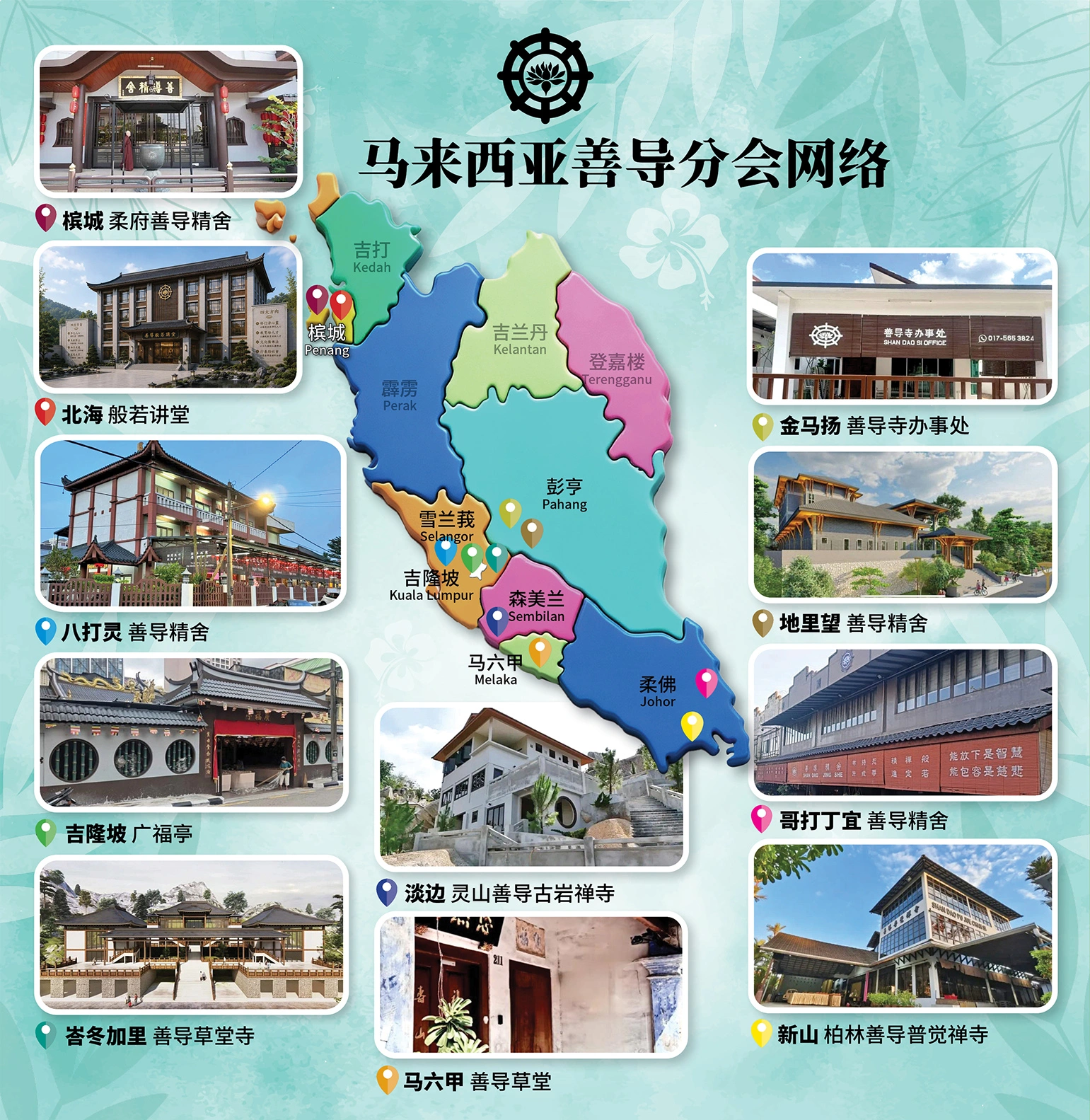
National Branch Network
SHAN DAO JING SHE branches are spread across the country, may the nectar of the True Dharma nourish all directions, guiding more karmically connected beings to the other shore
雪兰莪
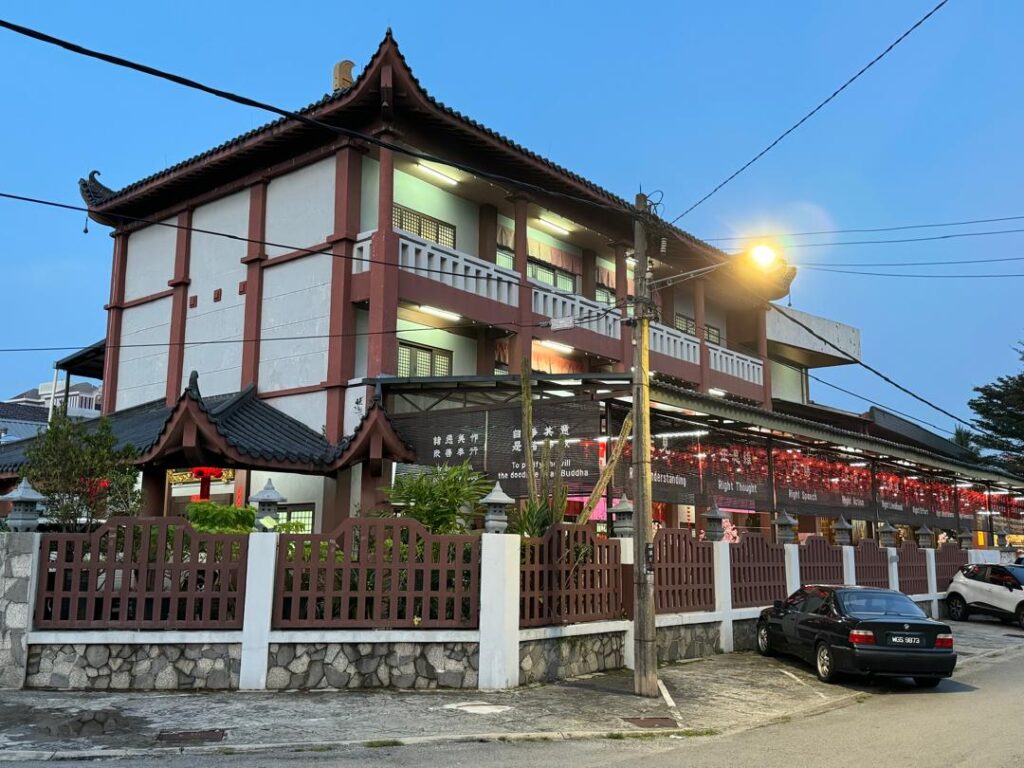
八打灵善导精舍
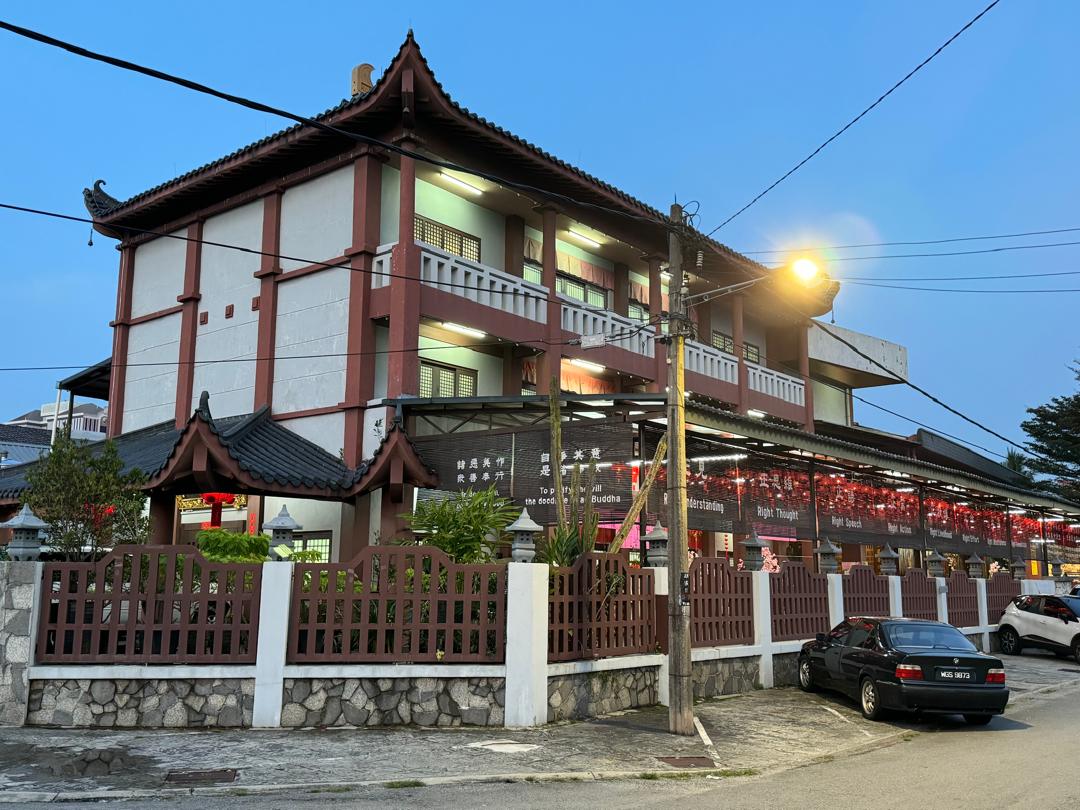
两层楼宇占地颇宽,篫立于民宅其间。寺内佛禅意境,宁静致远。
- 1, Jalan 1/15, Seksyen 146000 Petaling Jaya, Selangor
- 012-339 6824
- shandao2812@gmail.com
- https://www.facebook.com/suntau
吉隆坡
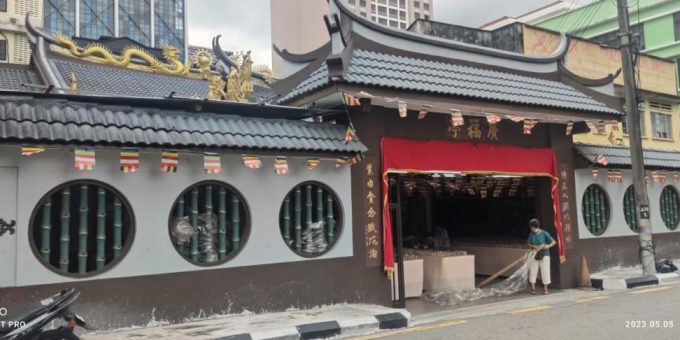
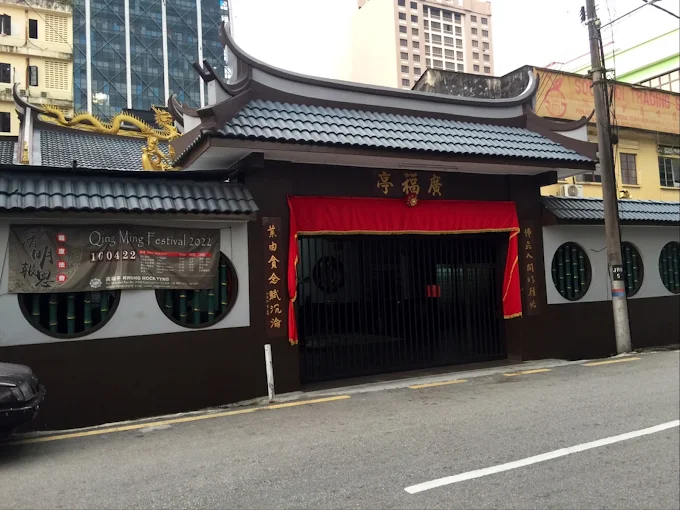
吉隆坡广福亭
拥有超过百年历史,古刹的庄严气息摄受人心,多年来集无数善信发心护持,积极弘扬佛法教育。
- 54, Jalan Raja Bot, Chow Kit, 50300 Kuala Lumpur, Wilayah Persekutuan
- 03-2698 1076
- https://www.facebook.com/kwonghocktyng58/
柔佛
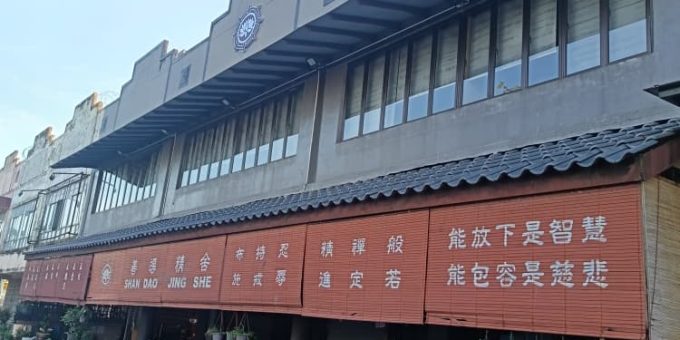
哥打丁宜善导精舍
1994年创立于柔佛州哥打丁宜河边的双层小楼舍,名为善导佛学社
- 35, Jalan Melati 1, Taman Melati Putih, 81900 Kota Tinggi, Johor
- 07-883 4660
- https://www.facebook.com/kotatinggi.shandao.3
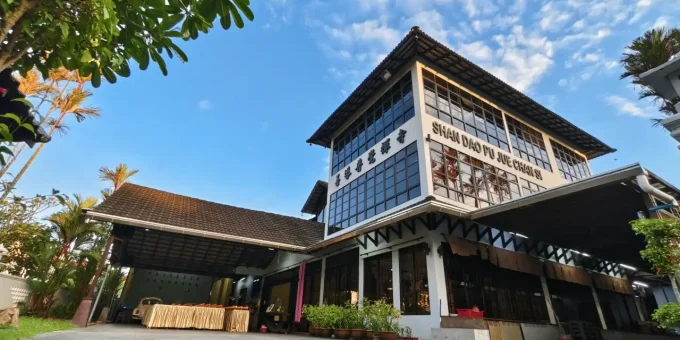
柔佛
柏林善导普觉禅寺
占地约一万方尺。善导普觉禅寺的落成与启用乃以弘法利生、成就善因为旨
- 12, Jalan Undan 5, Taman Perling, 81200 Johor Bahru, Johor
- 012-667 6824
- https://www.facebook.com/pu.jue.chan.si/
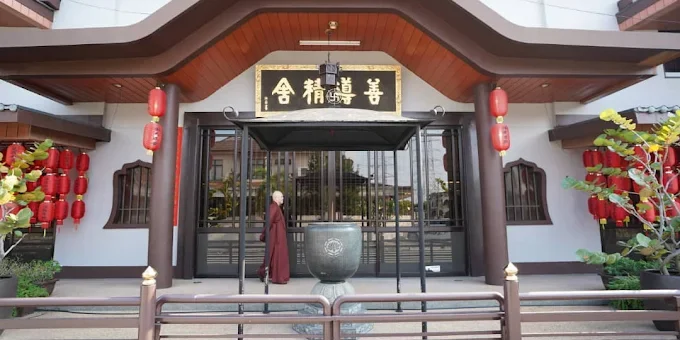
槟城
柔府善导精舍
於2008年末在半岛以北近大山脚的小镇落成,占地万余方尺
- No.2 Lorong Mengkudu 3, Taman Mengkudu Juru, 14100 Simpang Ampat. Pulau Pinang
- 012-483 6414
- https://www.facebook.com/profile.php?id=100080242303541
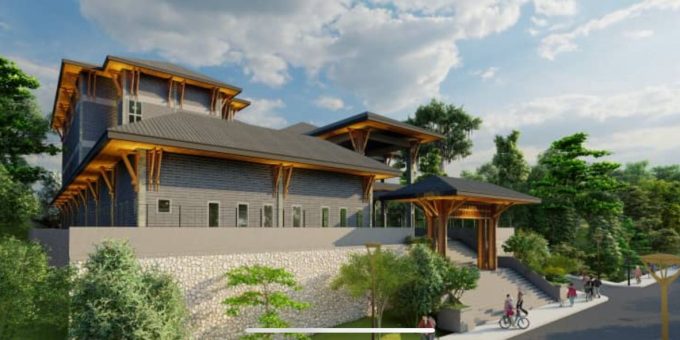
柔佛
地里望善导精舍
延续由开善法师发起,洞如法师推广的“万人施·万人舍·共结万人缘”理念
- Telemong, Pahang
- 012-668 8982
- https://www.facebook.com/cao.xiao.127201
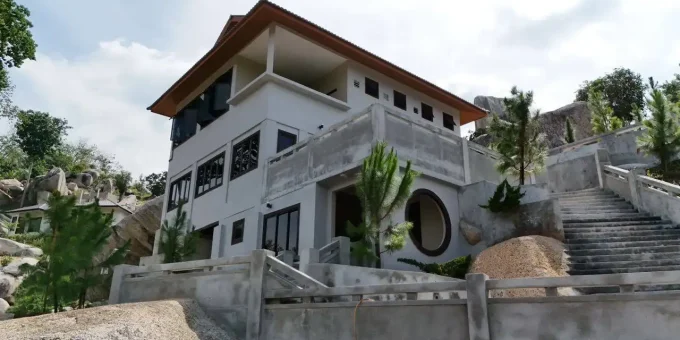
森美兰
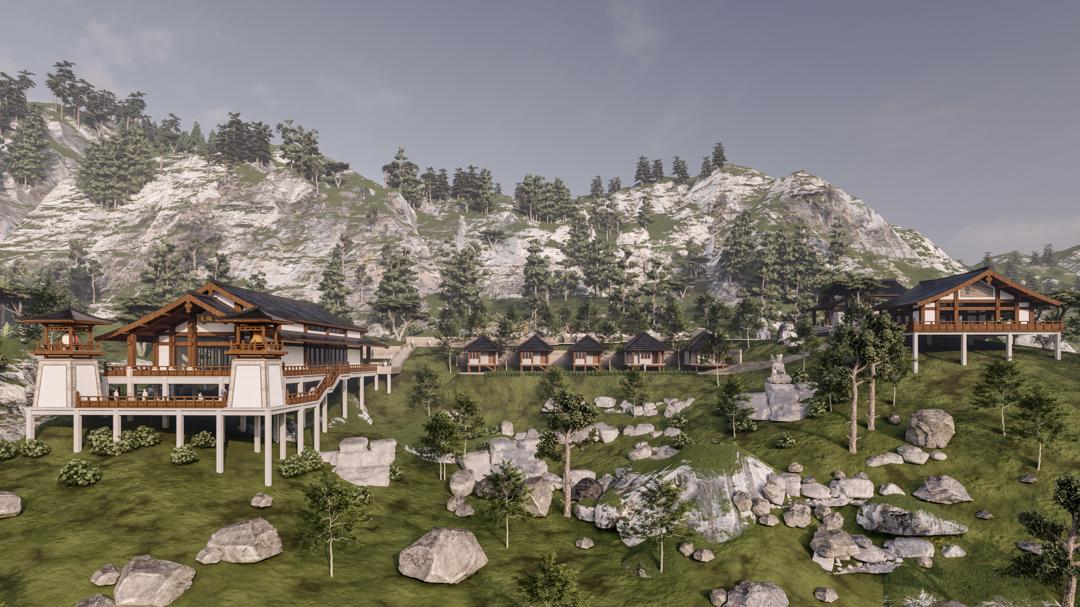
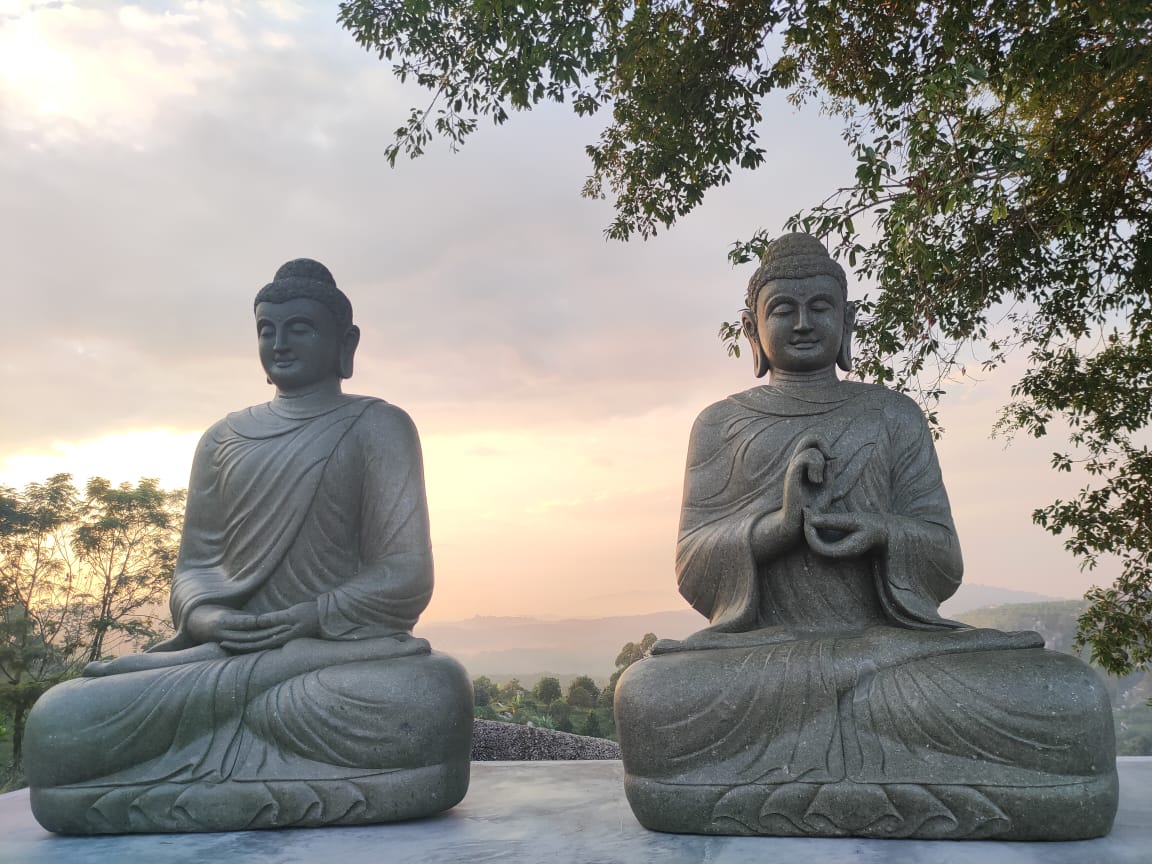
灵山善导古岩禅寺
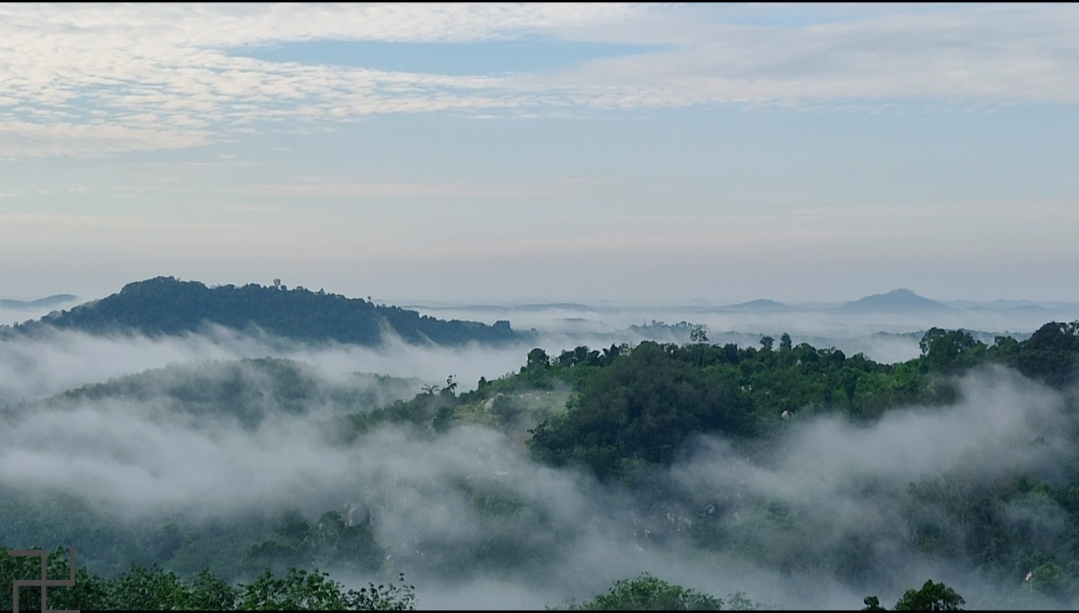
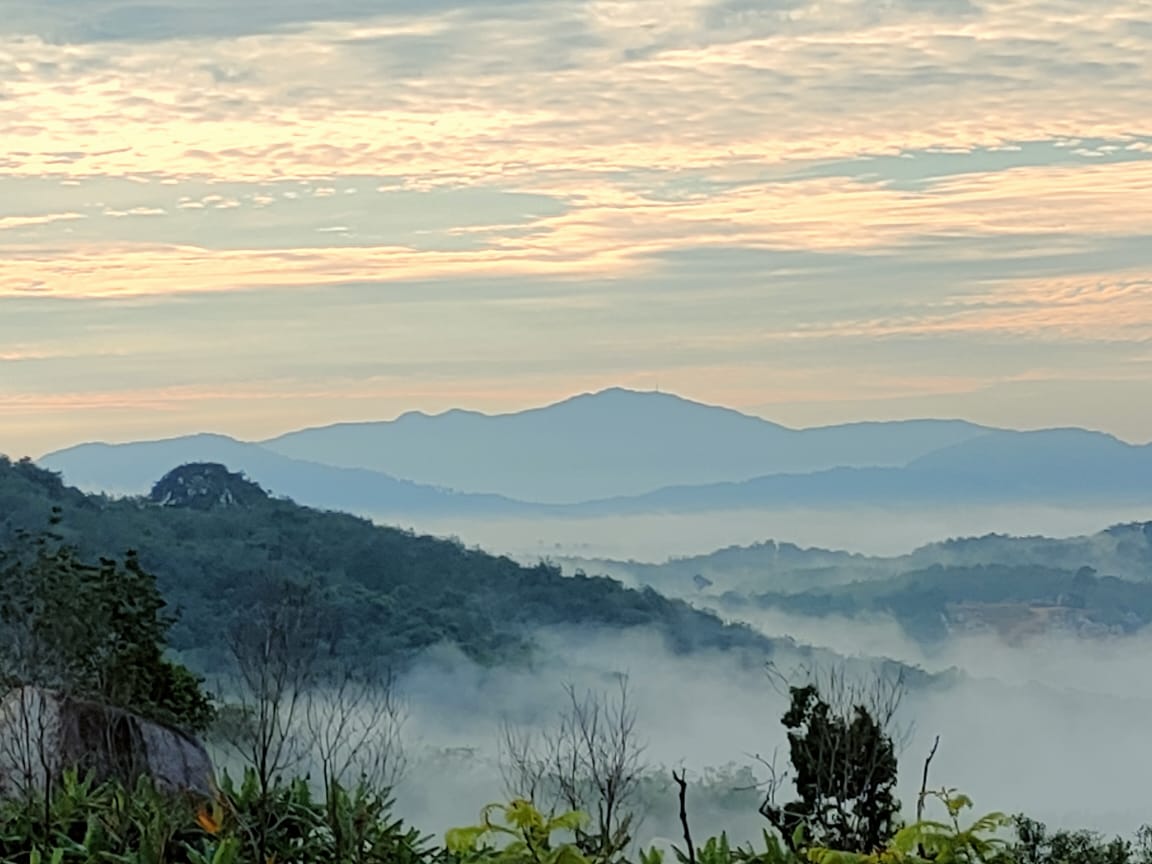
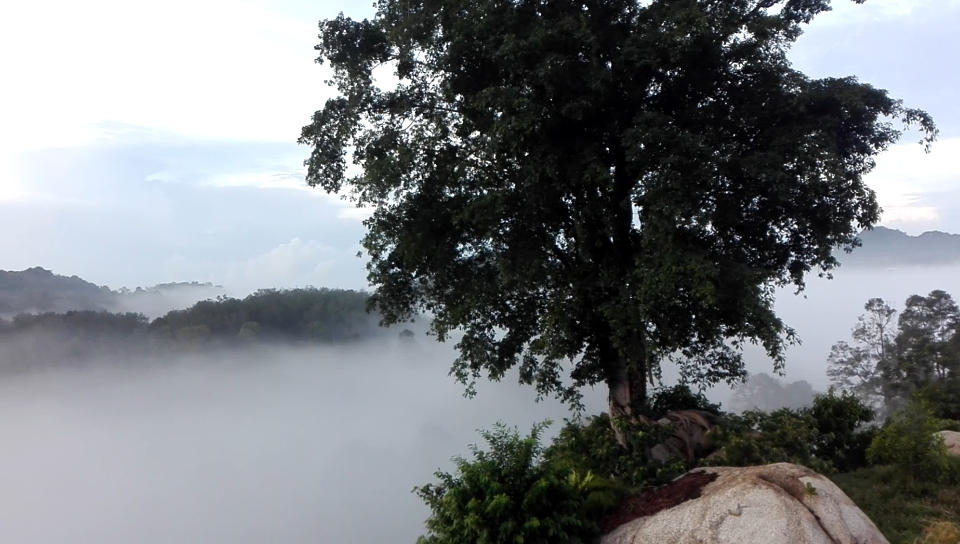
远山寂静,云霞如海。大家一同走访灵山,感受道场的清净庄严。
- Tampin, Mukim Keru Bukit Batu 73000
- 019-262 6824
- https://www.facebook.com/profile.php?id=100083515952595
彭亨
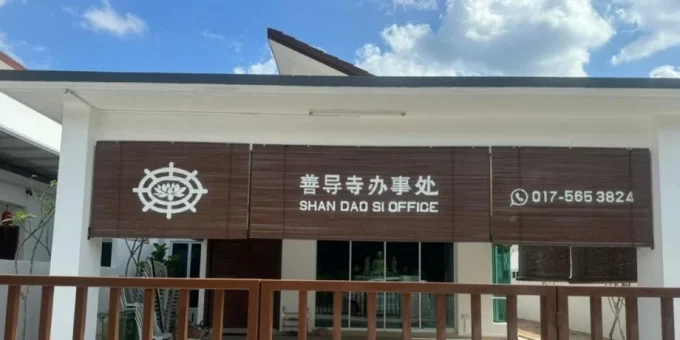
金马扬善导寺办事处
占地约 20英亩。这里不仅是寺庙所在地,也被选为善导总会的办事处设立点。
- No 30, 32, Jalan Puncak Kemayan 2, Taman Puncak Kemayan, 28380 Kemayan, Pahang
- 017-562 3824
- https://www.facebook.com/kemayan.shan.dao.si
马六甲
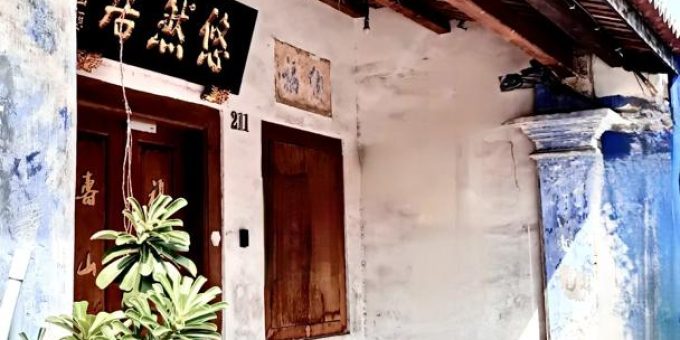
马六甲善导草堂
筹建中
- No.211, Jalan Tengkera, Tengkera, 75200 Melaka
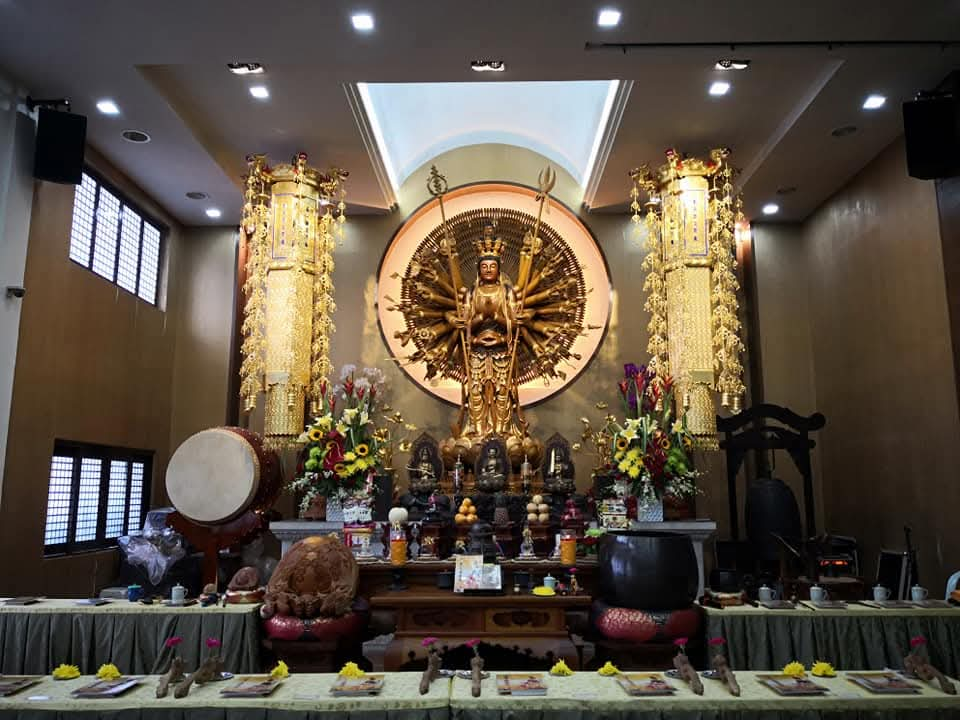
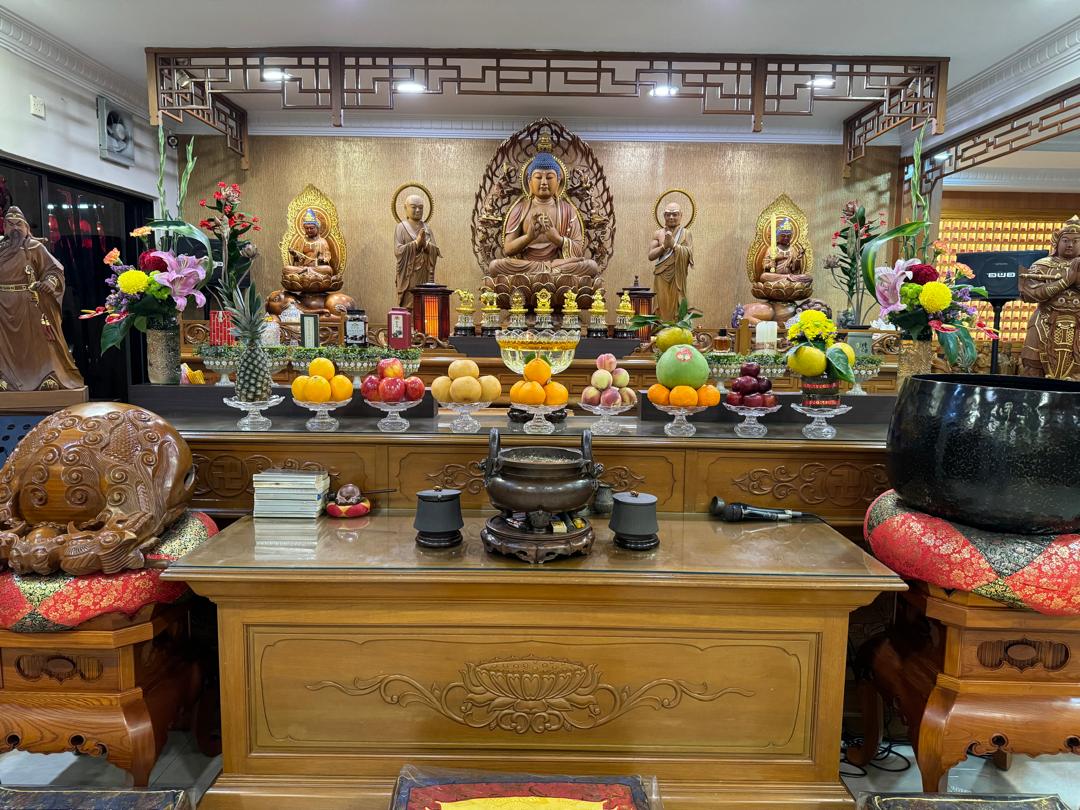
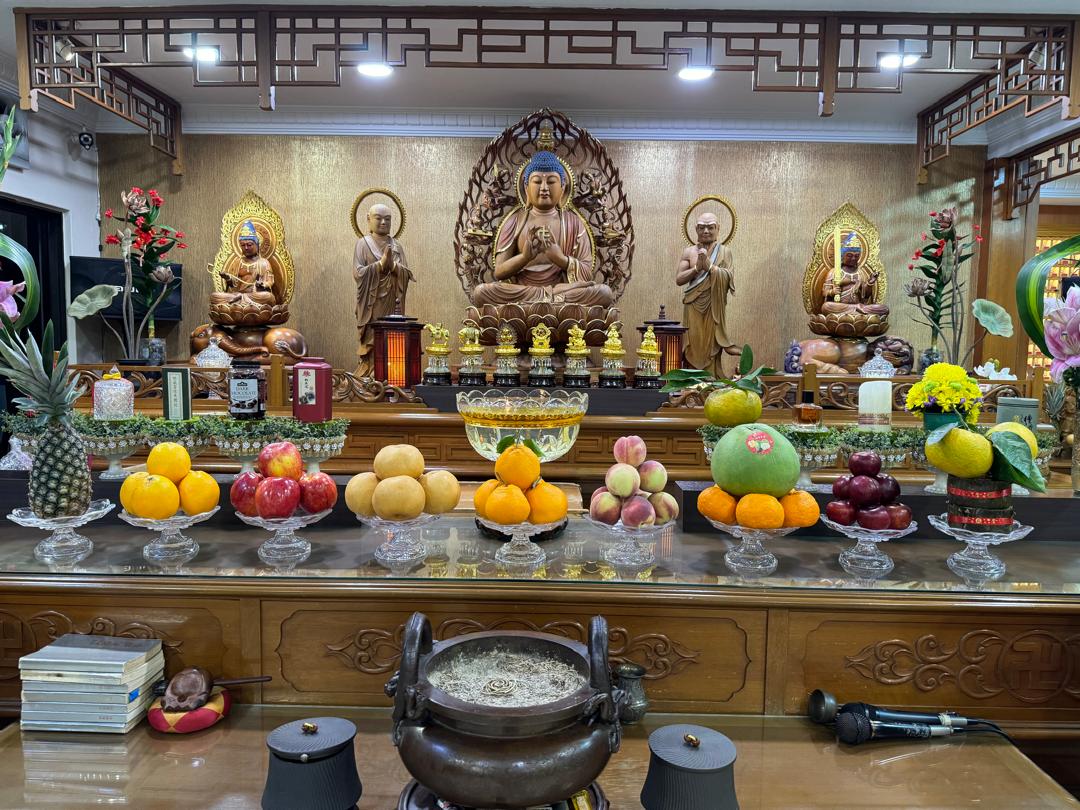
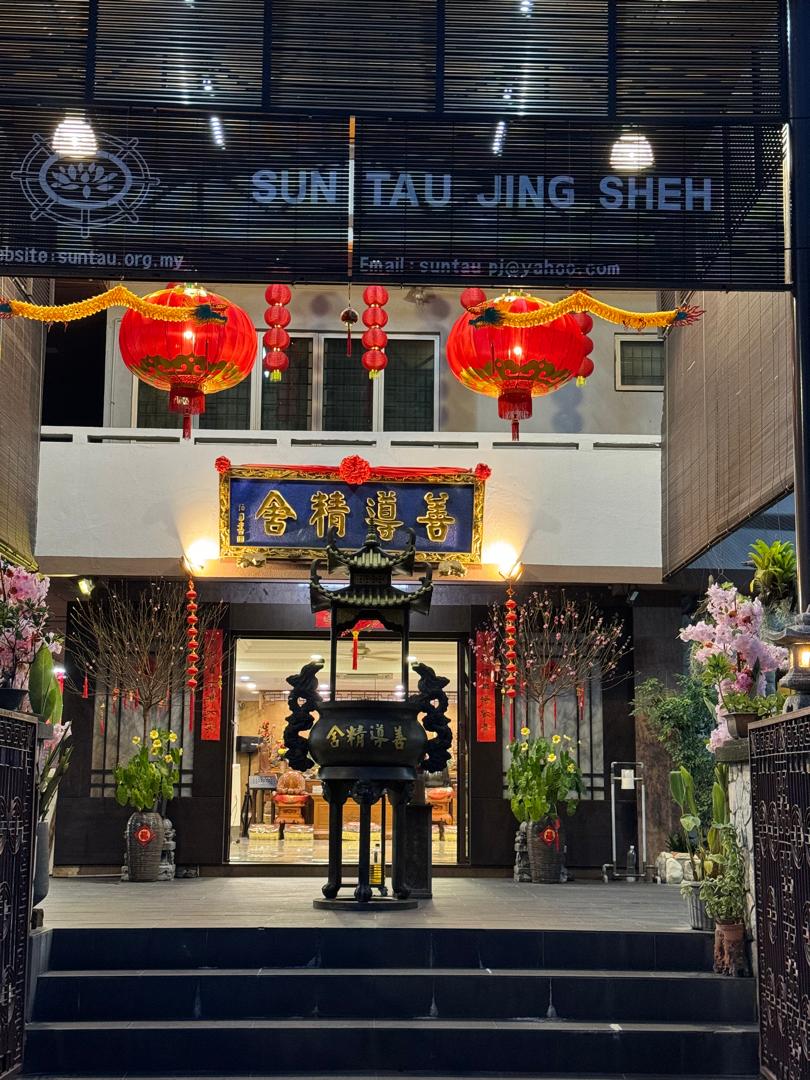
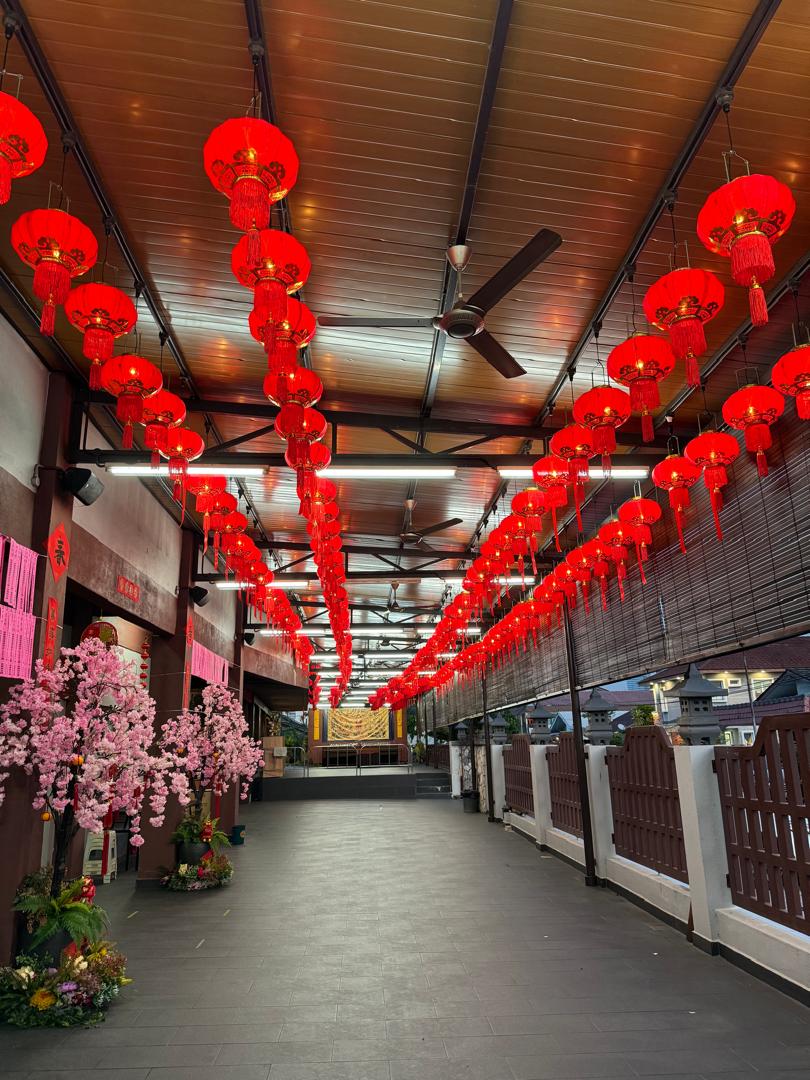
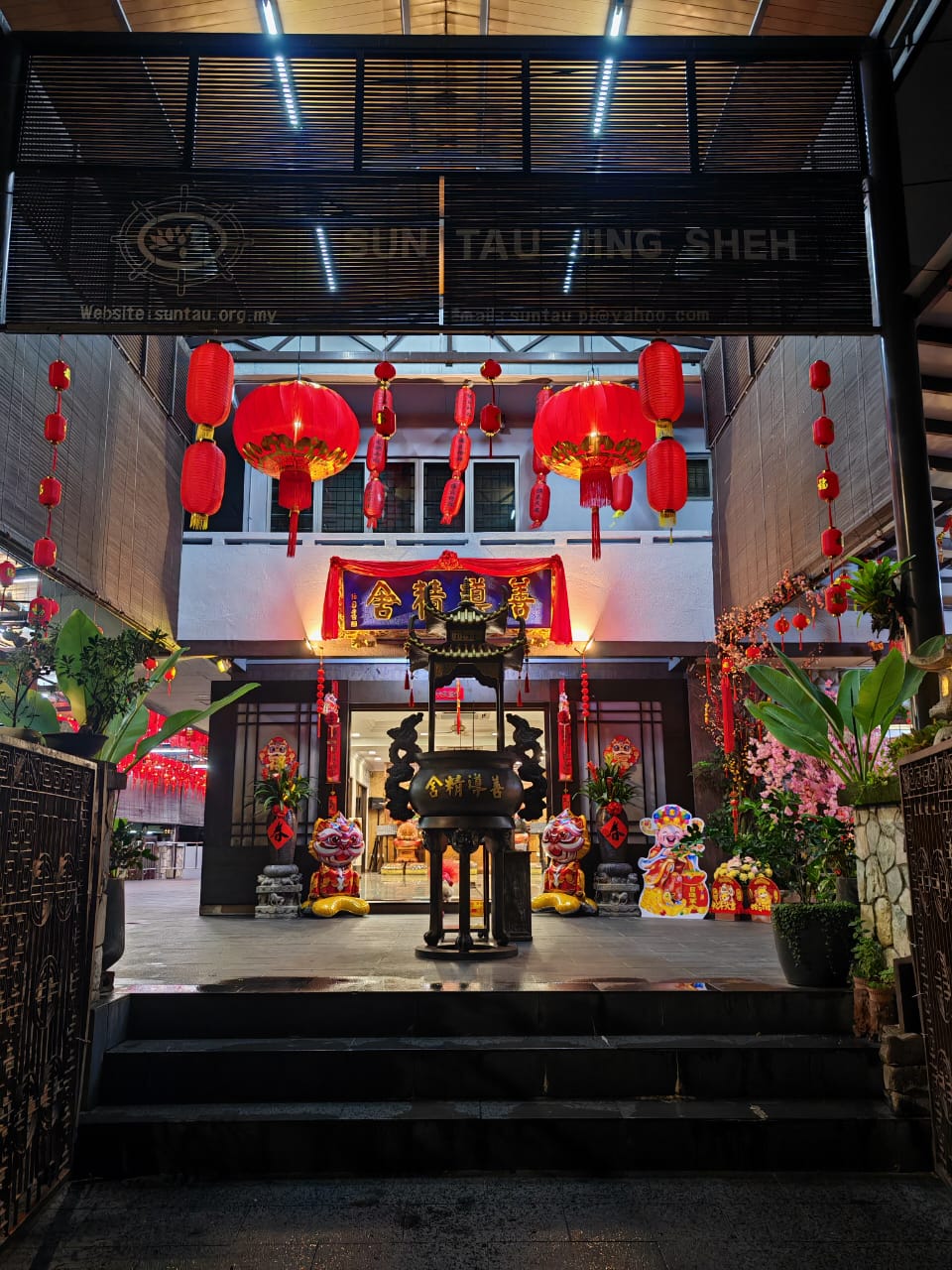
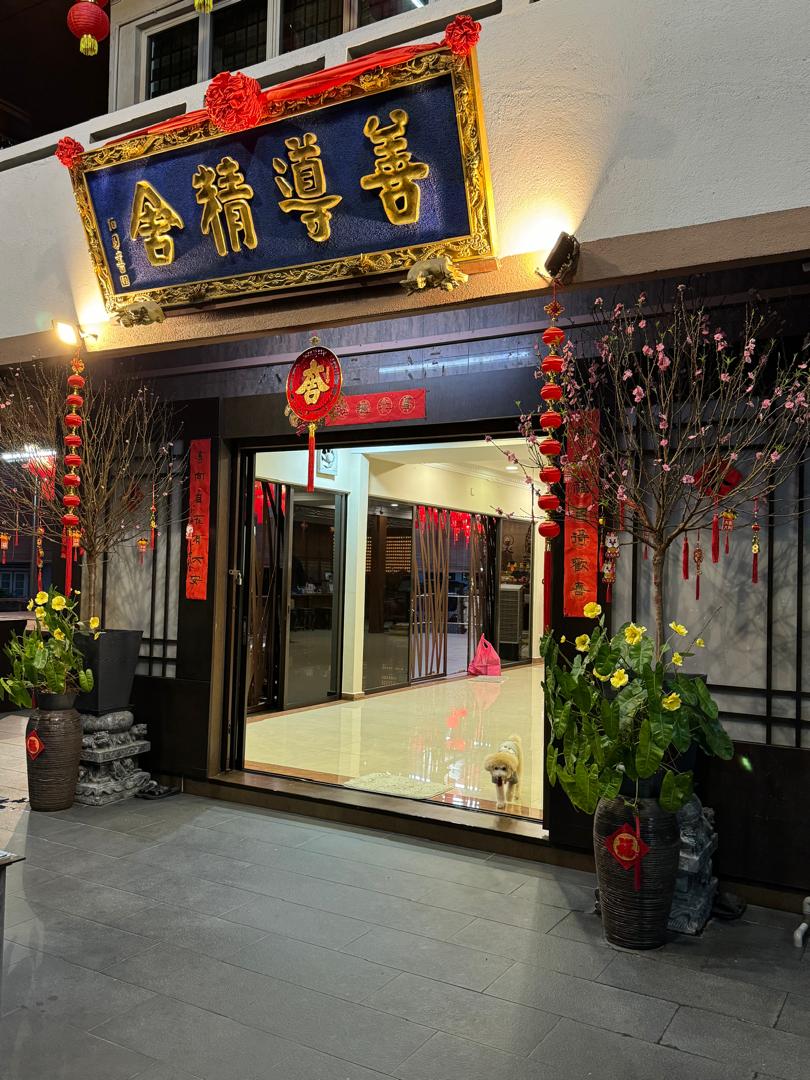
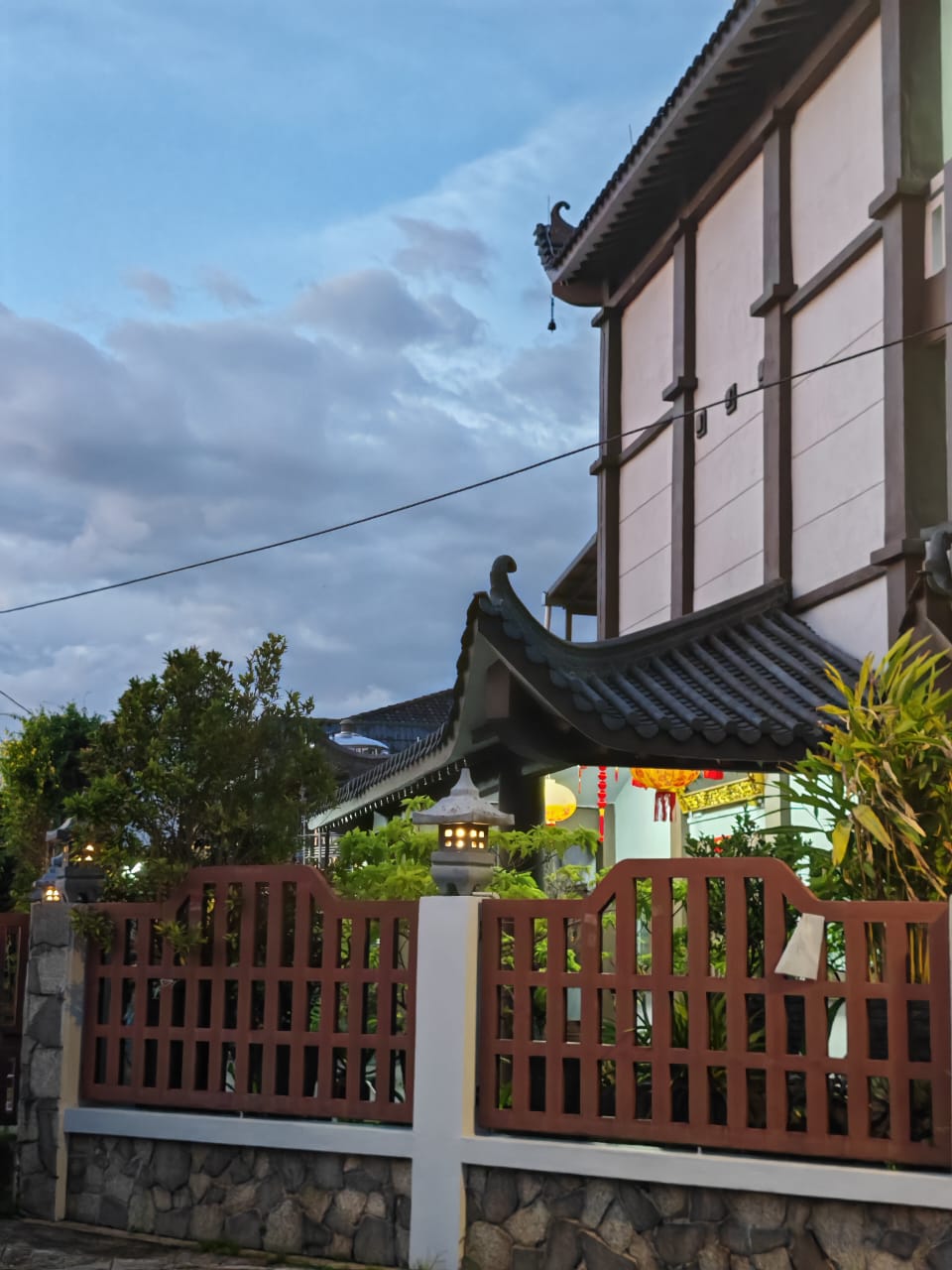
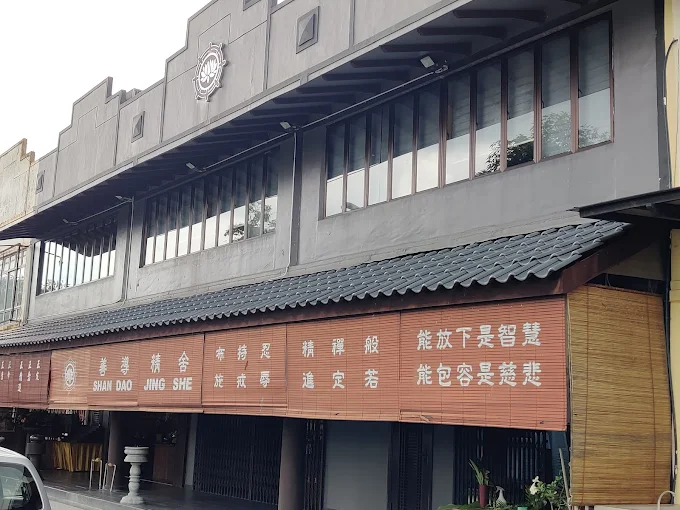
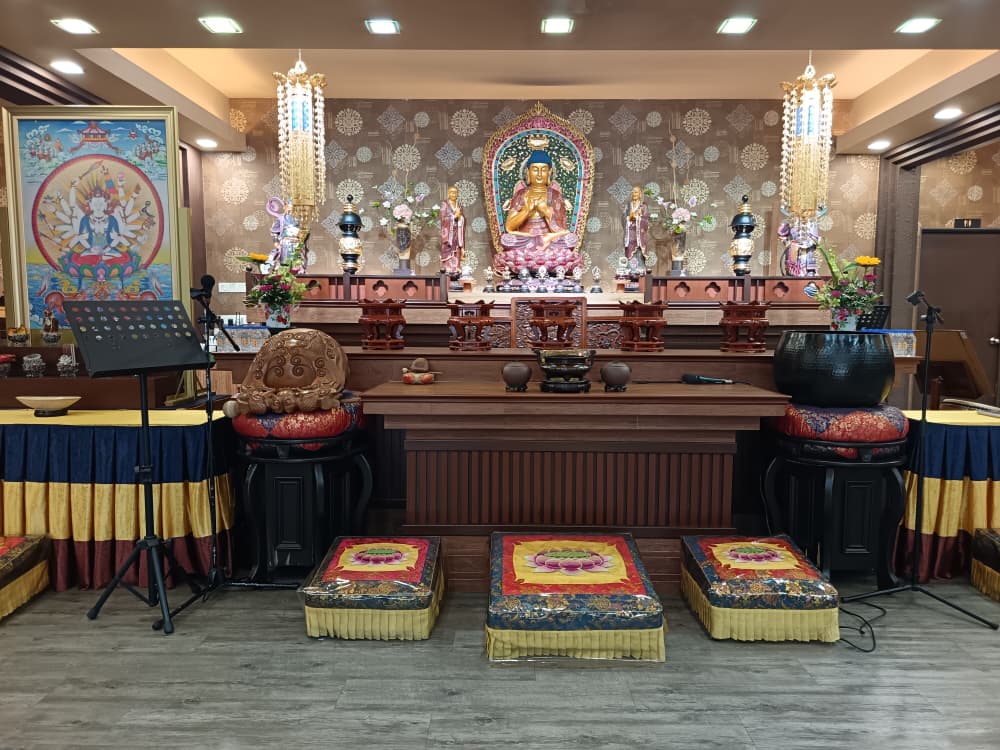
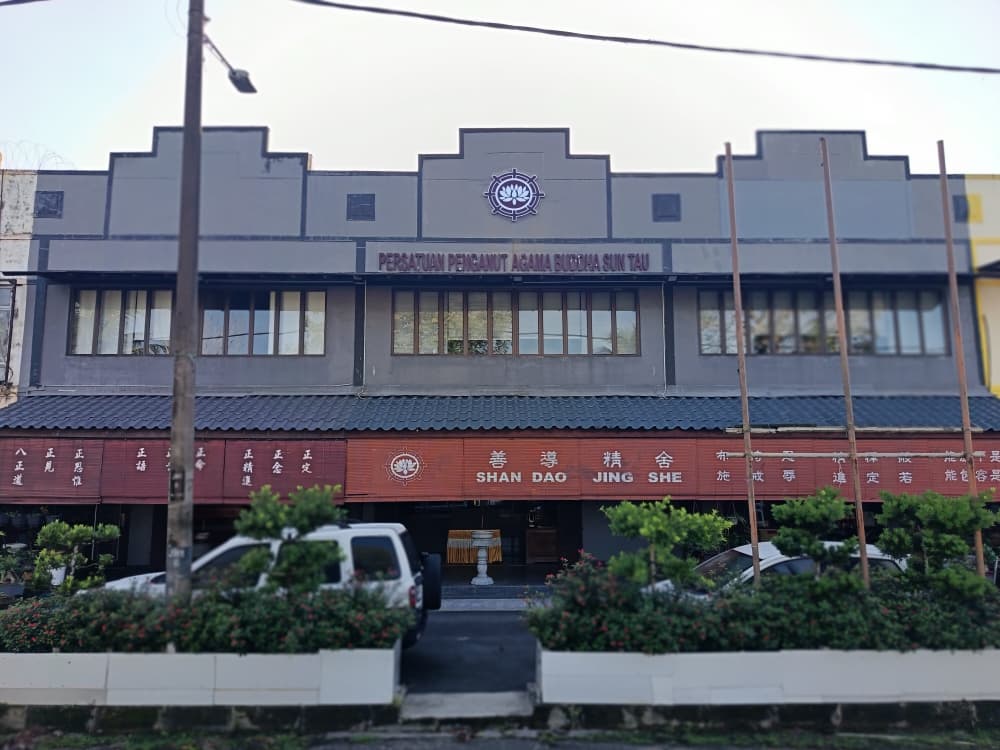
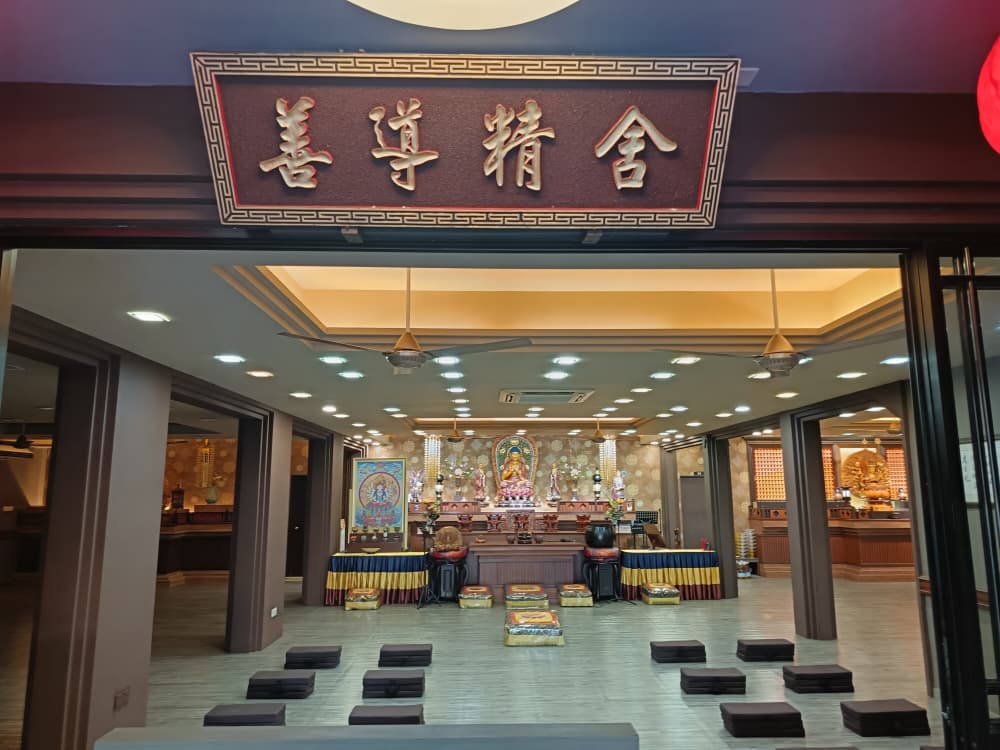
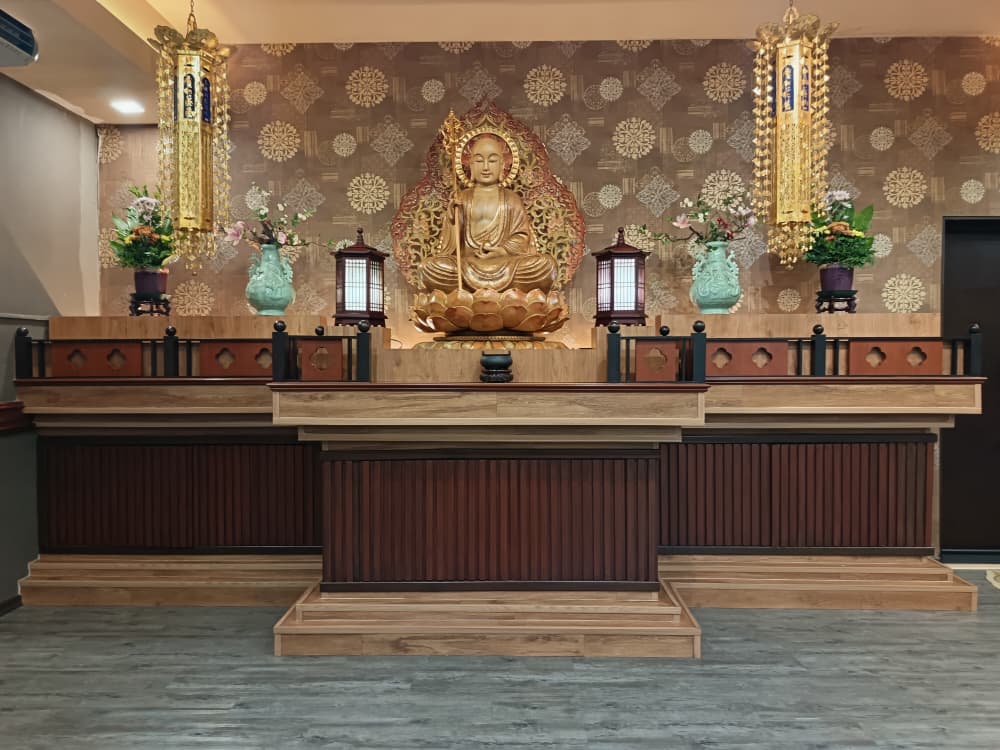
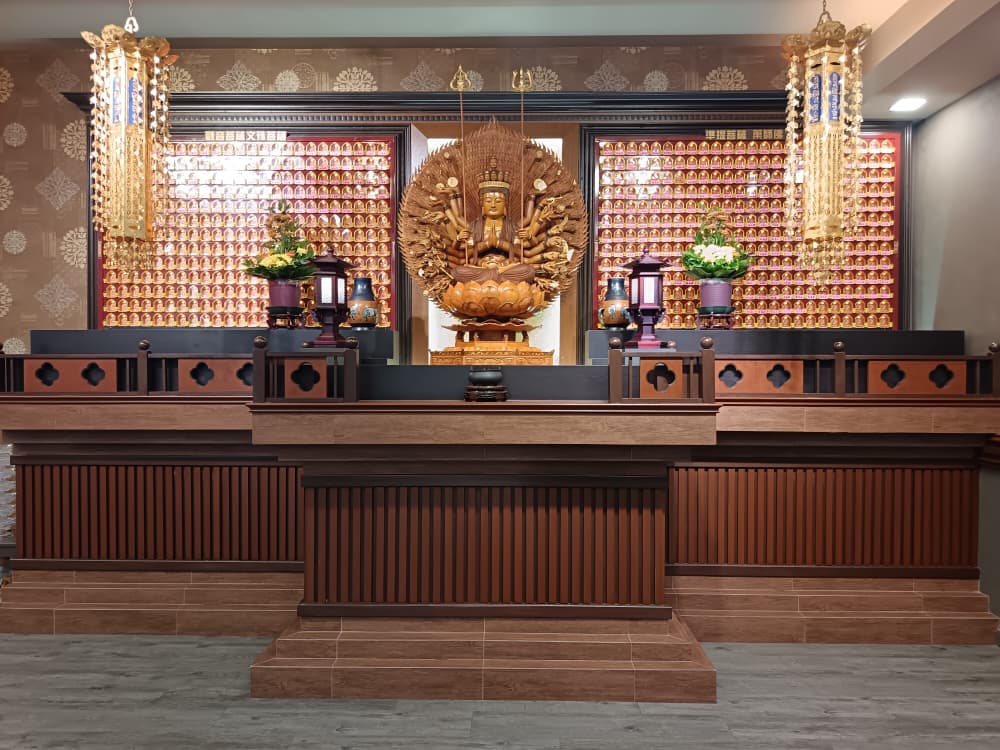
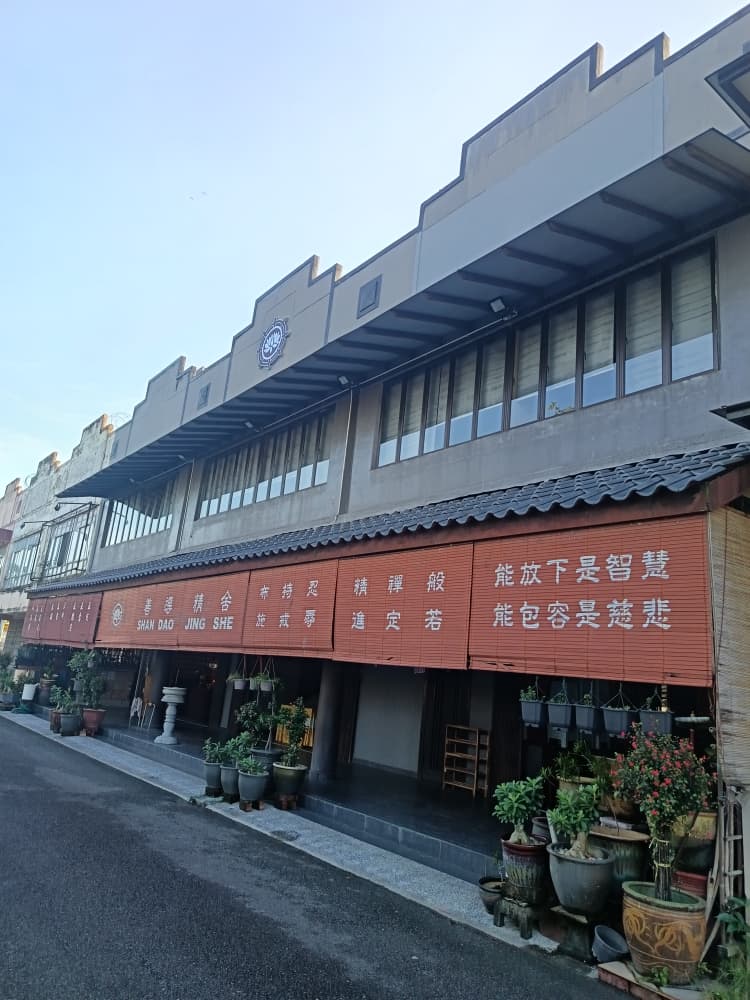
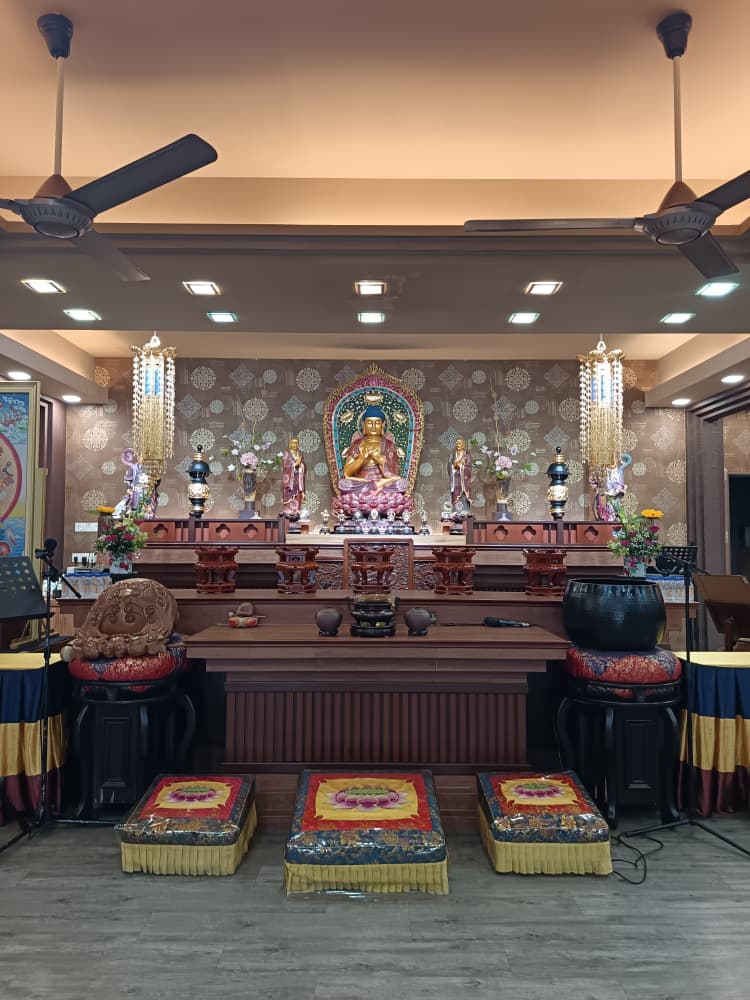

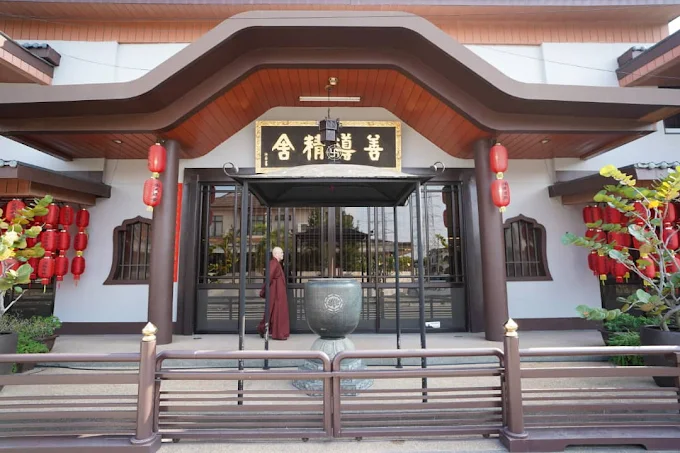
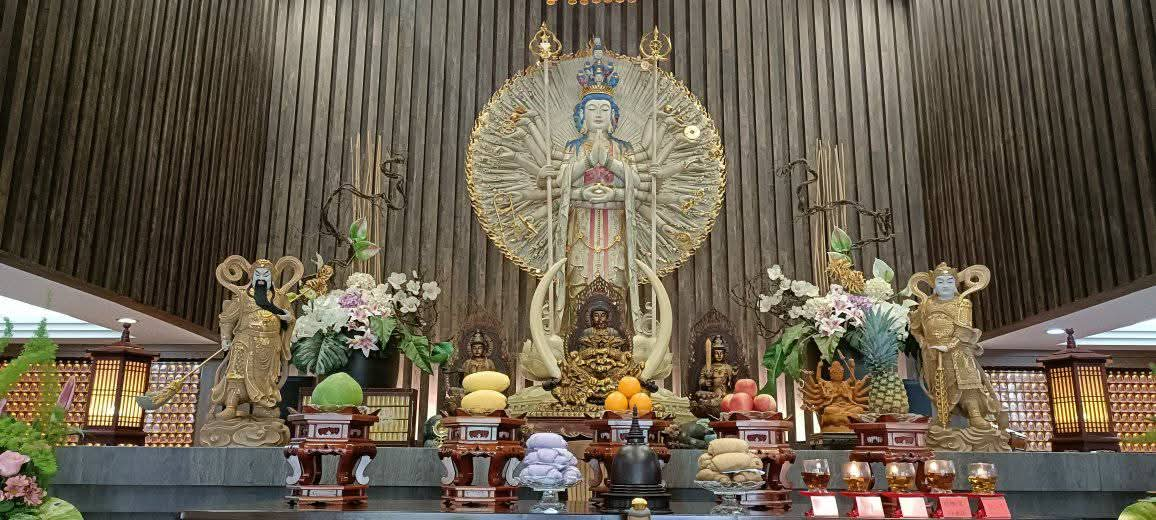
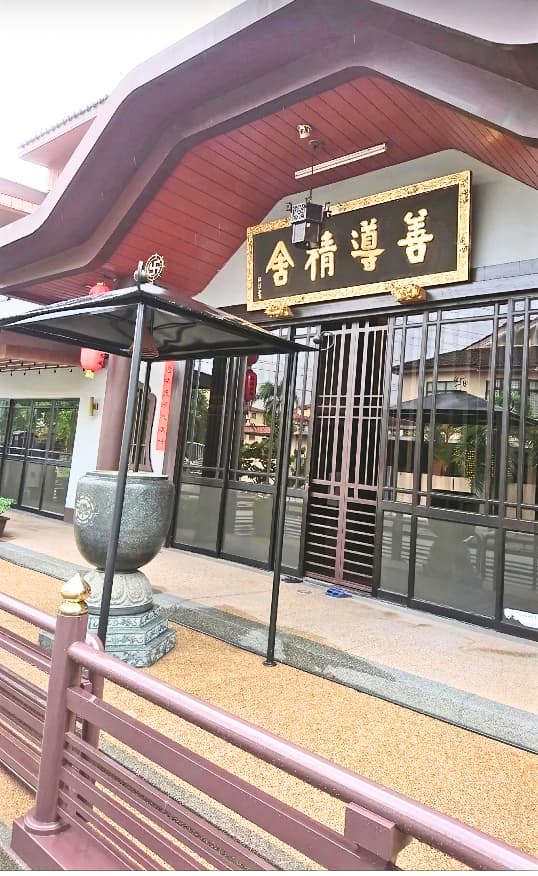
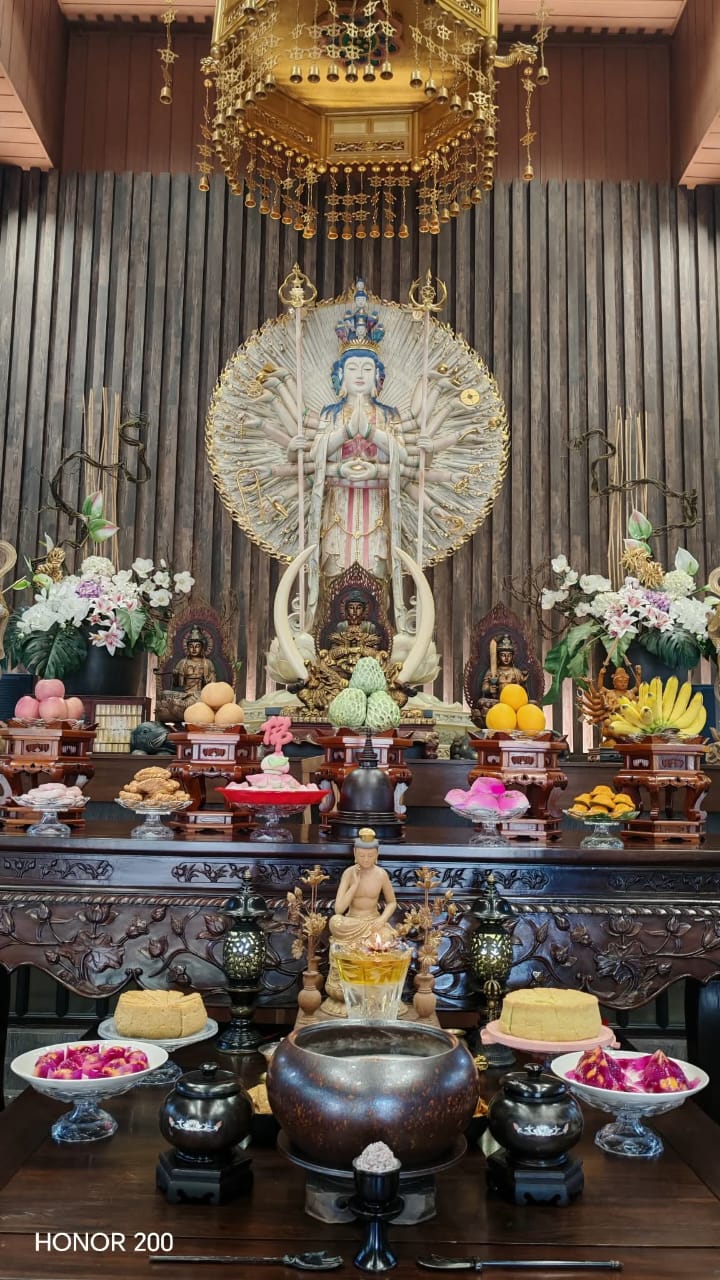
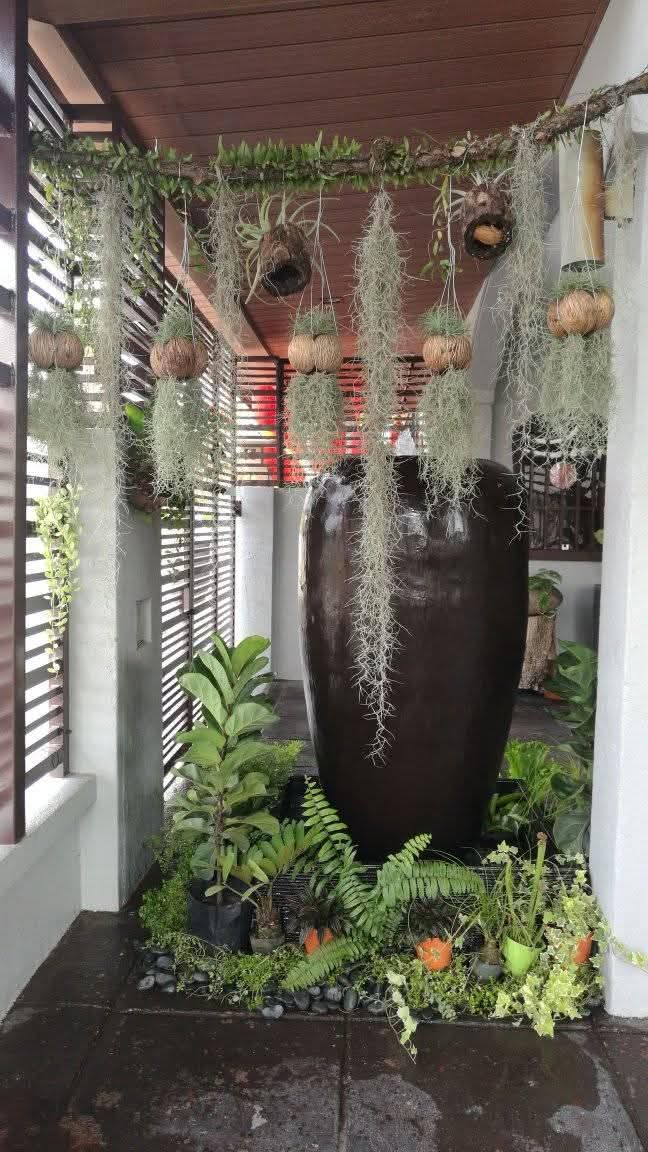
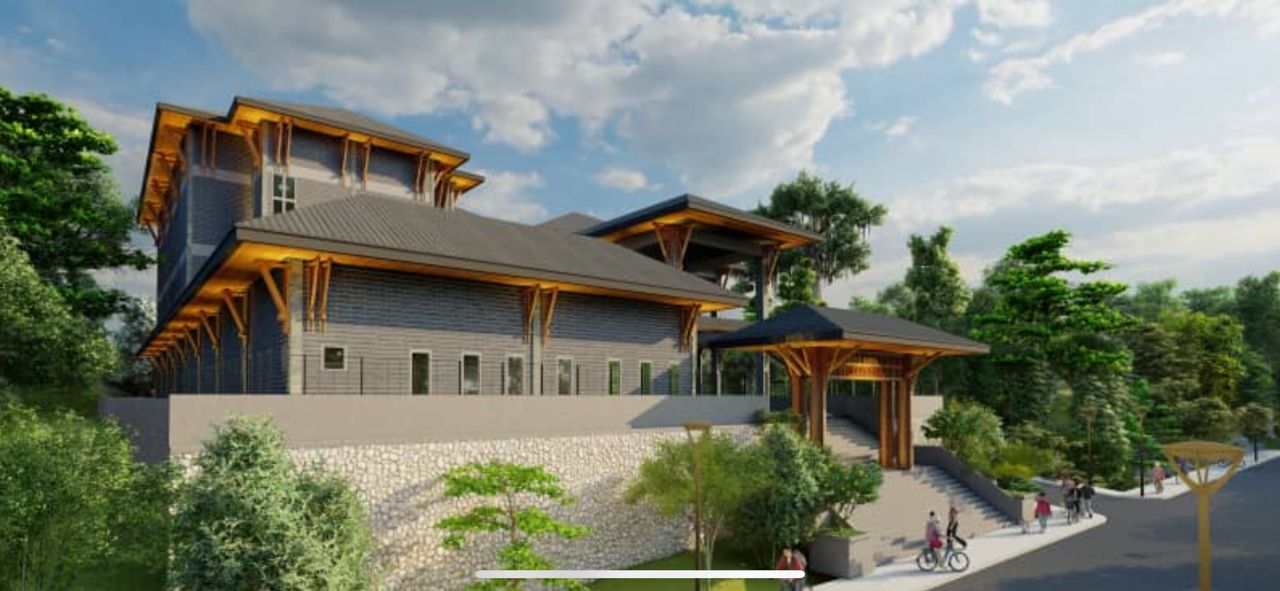
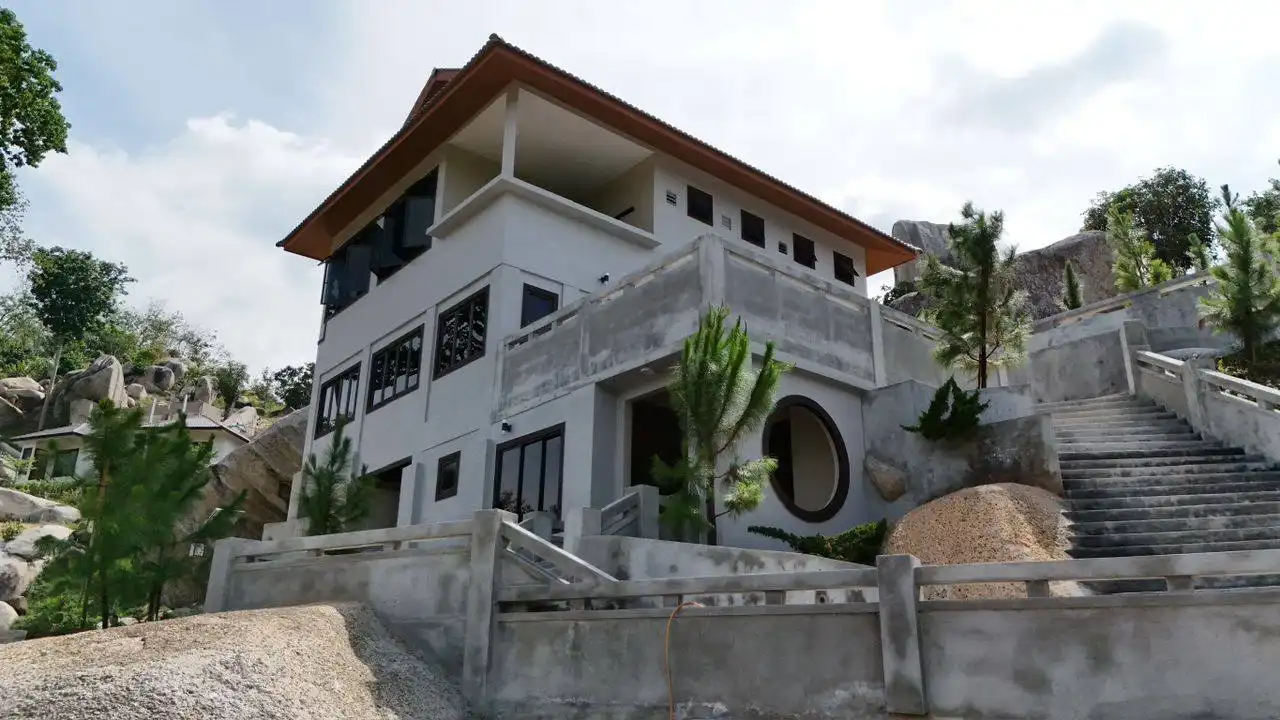
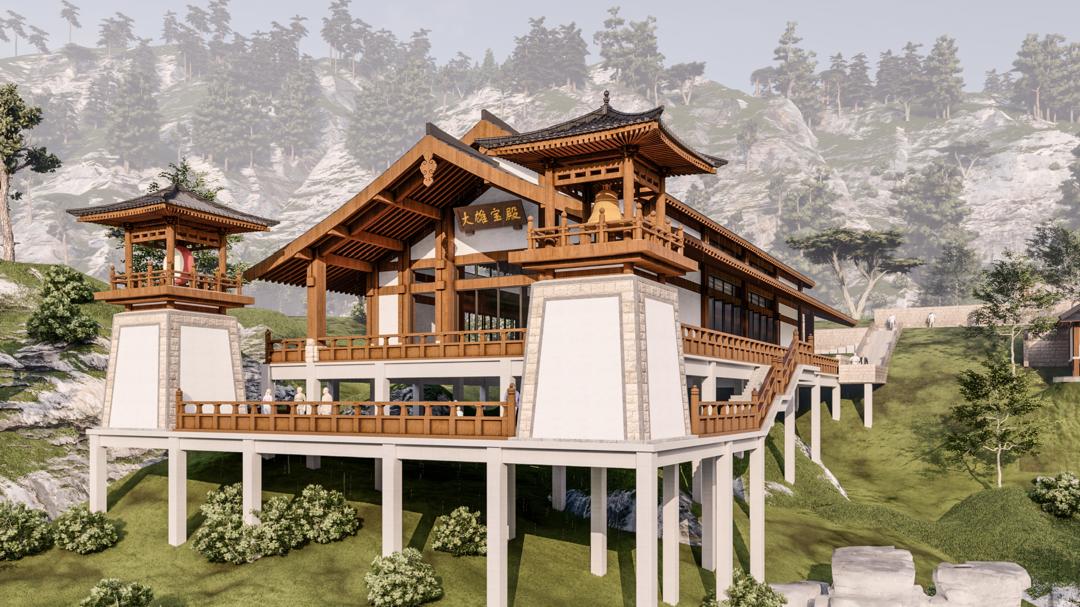








八打灵善导精舍
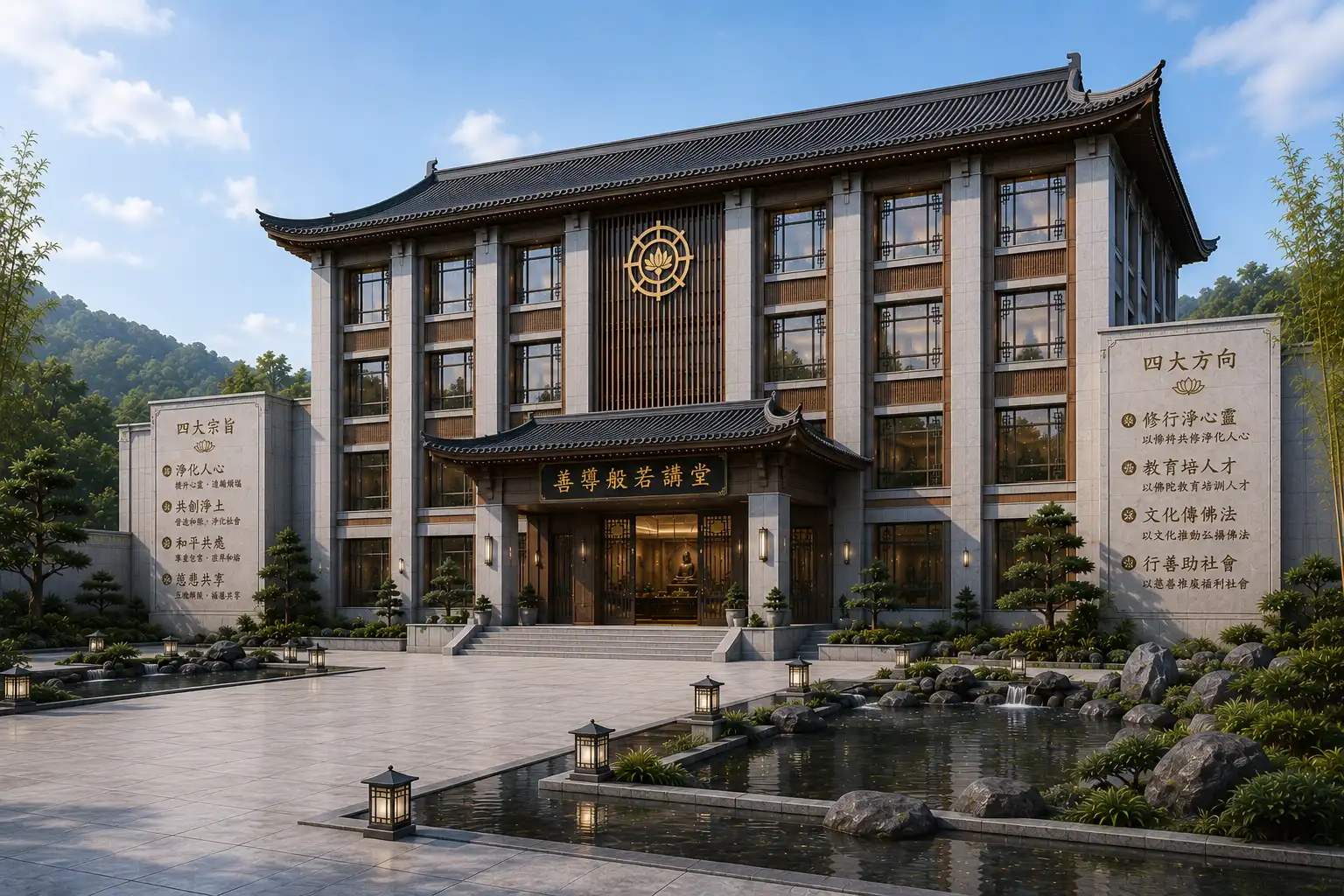
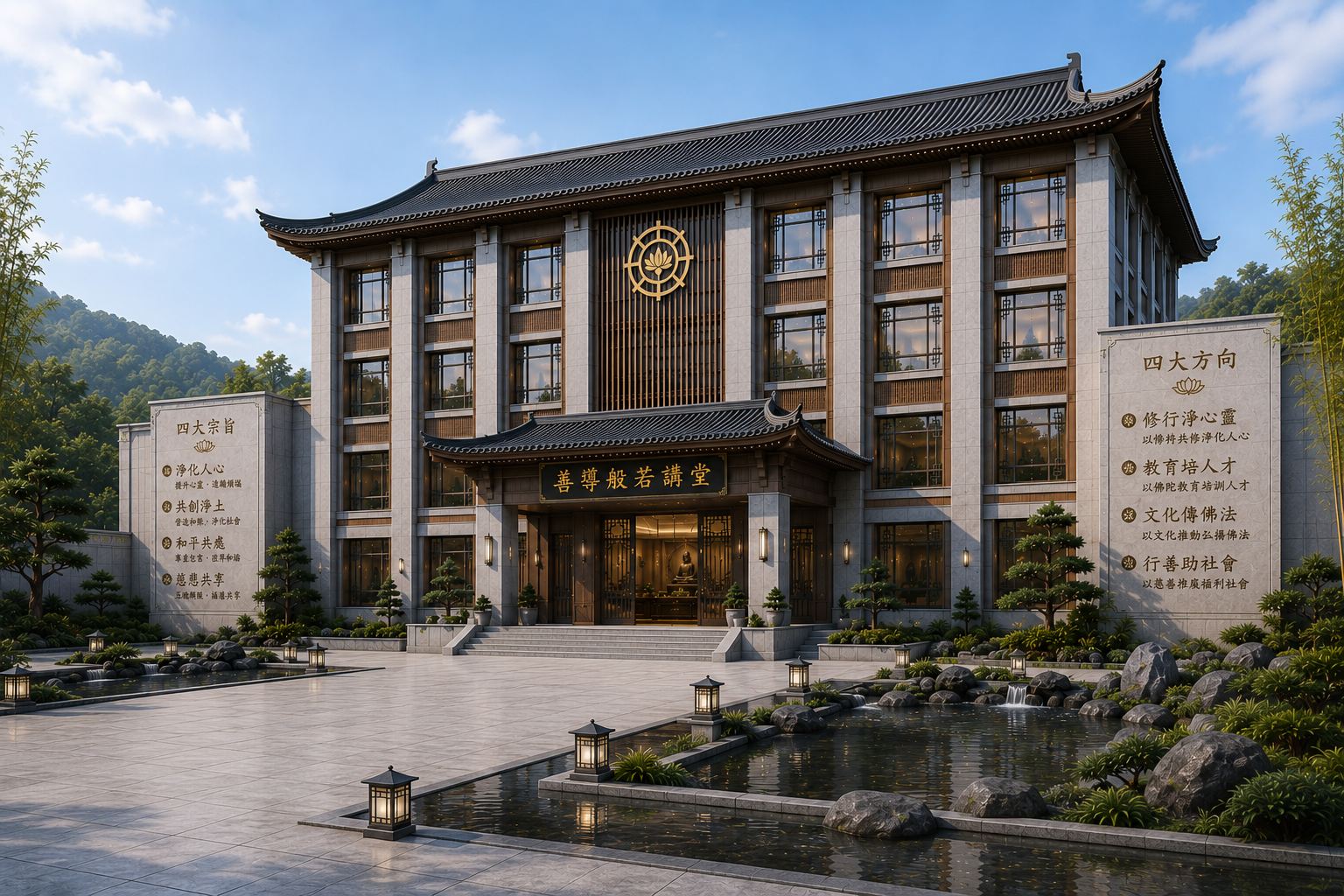
Supporting the Three Jewels, keeping the Dharma wheel turning, cultivating faith and vows, generating bodhicitta, growing in merit and wisdom — with the noble ideal of perfecting virtue through compassion and wisdom to build a world of love, this is the great aspiration of SHAN DAO JING SHE. Under the leadership of Venerable Kai Shan and the community of masters, Shandao upholds the Four Methods of Embracing, bringing the religious, academic, artistic, and educational aspects of the Dharma into society and daily life.
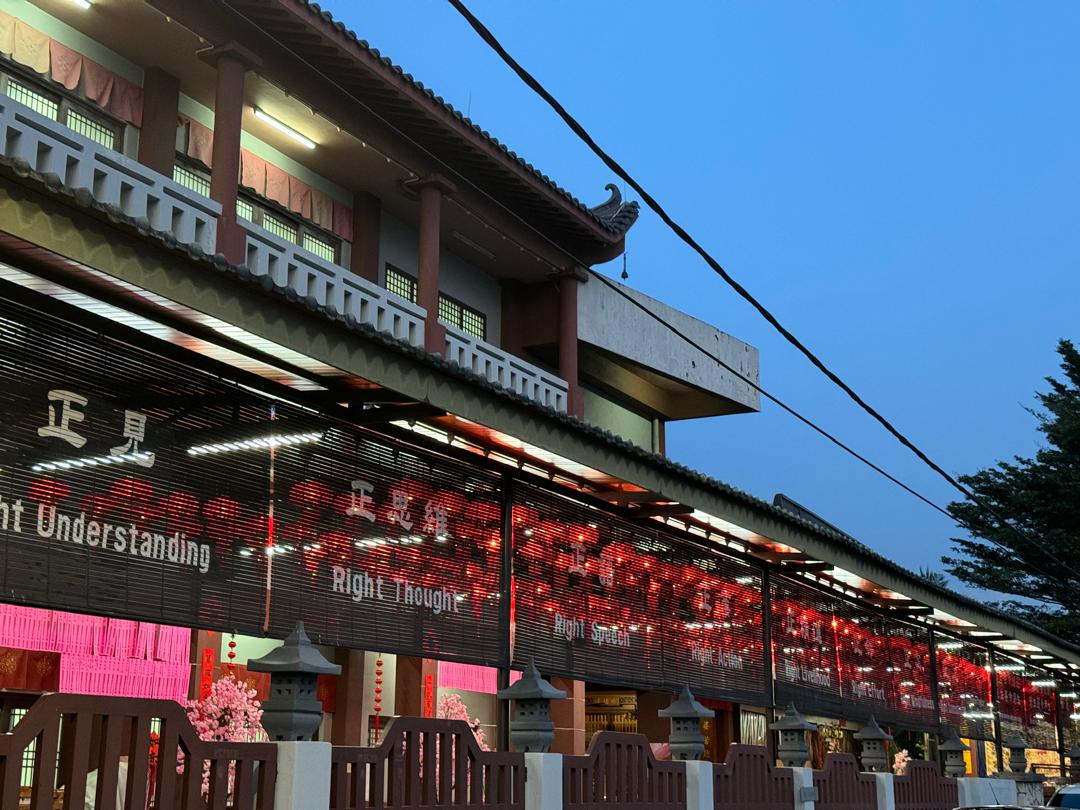
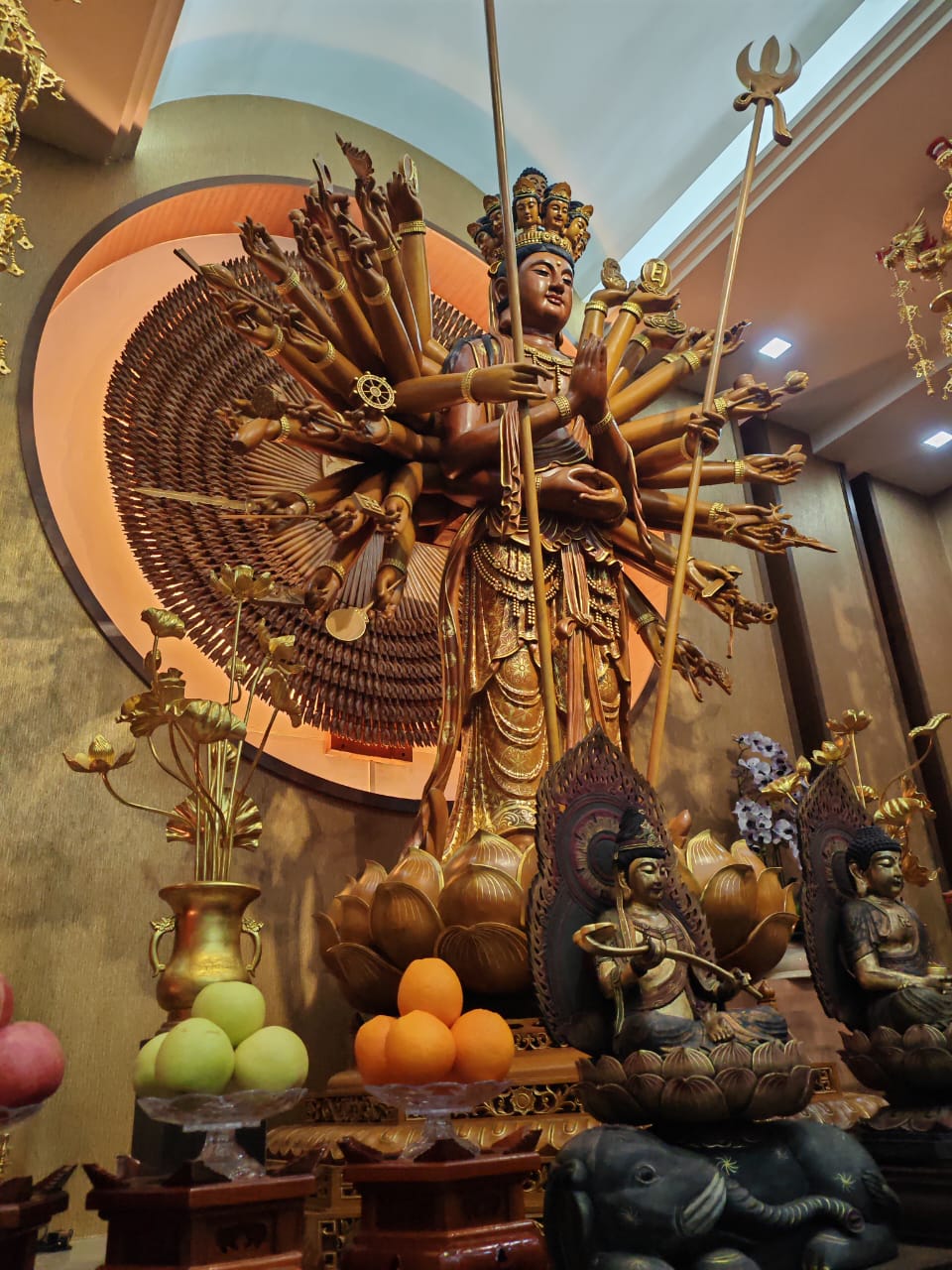
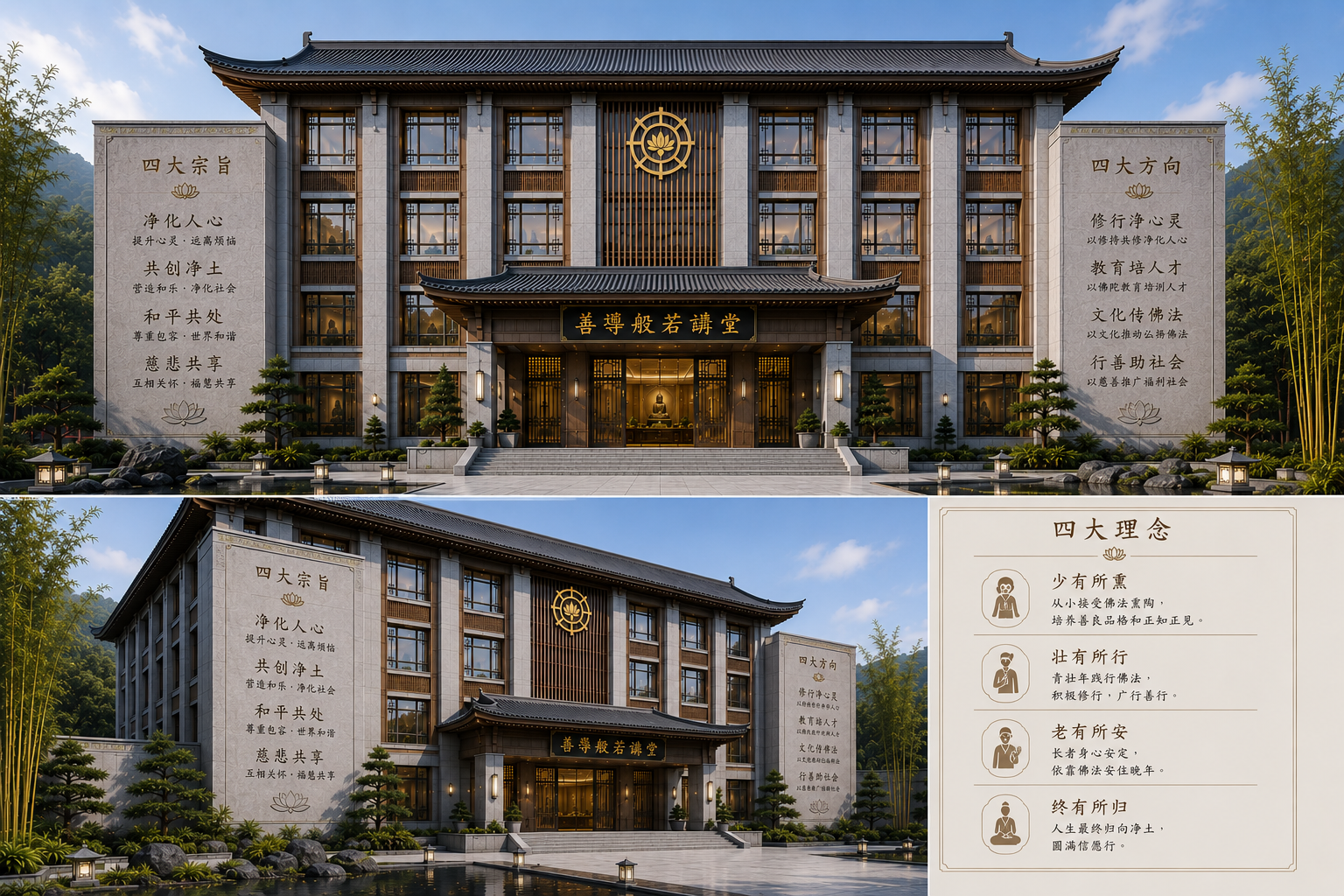
Originating in 1993, Venerable Kai Shan and devoted benefactors established SHAN DAO JING SHE in Petaling Jaya, Selangor, later moving to its current location. The Petaling Jaya SHAN DAO JING SHE officially took root in the old district of Petaling Jaya in 1994. Looking up at the temple and Buddhist shrines, the bamboo curtain of Dharma words bestows compassionate protection; the Master's compassion brings harmony to all beings. Stepping into SHAN DAO JING SHE, the noise of the city fades away, and the mind gives rise to bodhicitta, pure thoughts, and Dharma joy. To guide sentient beings to learn Buddhism and enable devotees to approach the Three Jewels and hear the Dharma, the Great Compassion Hall of the Petaling Jaya SHAN DAO JING SHE was officially completed in 2007, to receive more beings to learn Buddhism and cultivate merit and wisdom together. The basic facilities of the Great Compassion Hall include a multi-purpose centre on the first floor and the Great Compassion Shrine on the second and third floors. The shrine houses a statue of the Thousand-Handed, Thousand-Eyed Avalokiteshvara Bodhisattva, with compassionate regard for the ocean of beings. Relying on the Bodhisattva's merit and profound compassionate vows, it acts on behalf of the Buddha to bestow compassion, relieve suffering, and save those in distress. The great compassion of Avalokiteshvara Bodhisattva pervades the entire Dharma realm and protects all beings. Especially in the Dharma-ending age, creating images benefits beings, inspiring them to generate compassionate bodhicitta, promoting world peace, harmony, and well-being.
A thousand places sought, a thousand responses; in the sea of suffering, always the ferry of salvation — the spirit of Avalokiteshvara Bodhisattva is the essence of Mahayana Buddhism, revered by devotees for generations. Hearing cries and relieving suffering, uniting compassion and wisdom, Avalokiteshvara Bodhisattva's mission is to deeply enter the world and compassionately save those in suffering, serving as the refuge in the hearts of all beings when they face distress. The Great Compassion Hall of SHAN DAO JING SHE houses a fifteen-foot-tall Thousand-Handed, Thousand-Eyed Avalokiteshvara Bodhisattva, containing infinite profound meaning, aligning with Shandao's Four Core Principles, aspiring to inspire beings' right understanding and awakening, guiding beings to sublimate their wisdom and compassion, making their lives more complete.
「A thousand places sought, a thousand responses; in the sea of suffering, always the ferry of salvation」
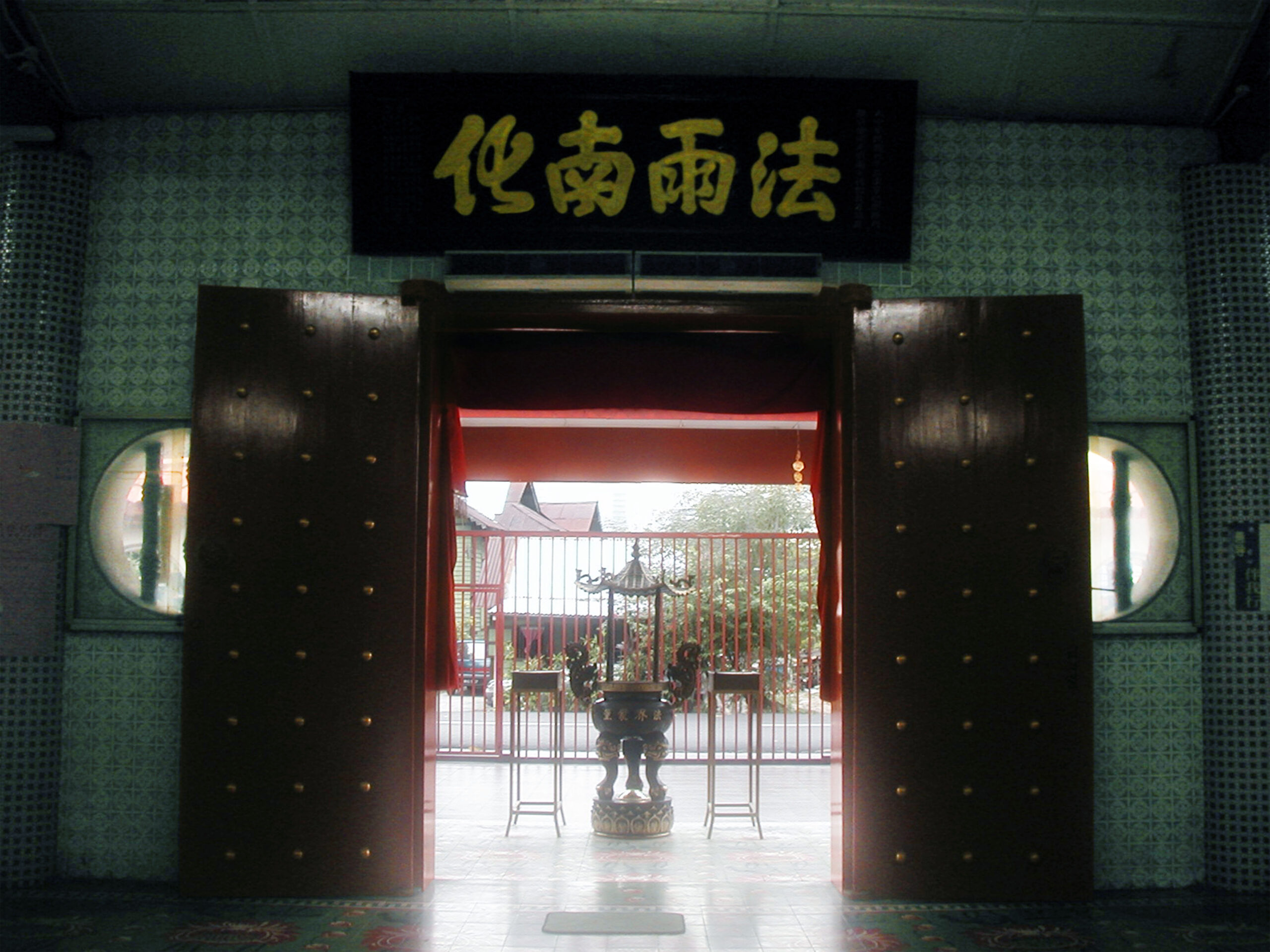
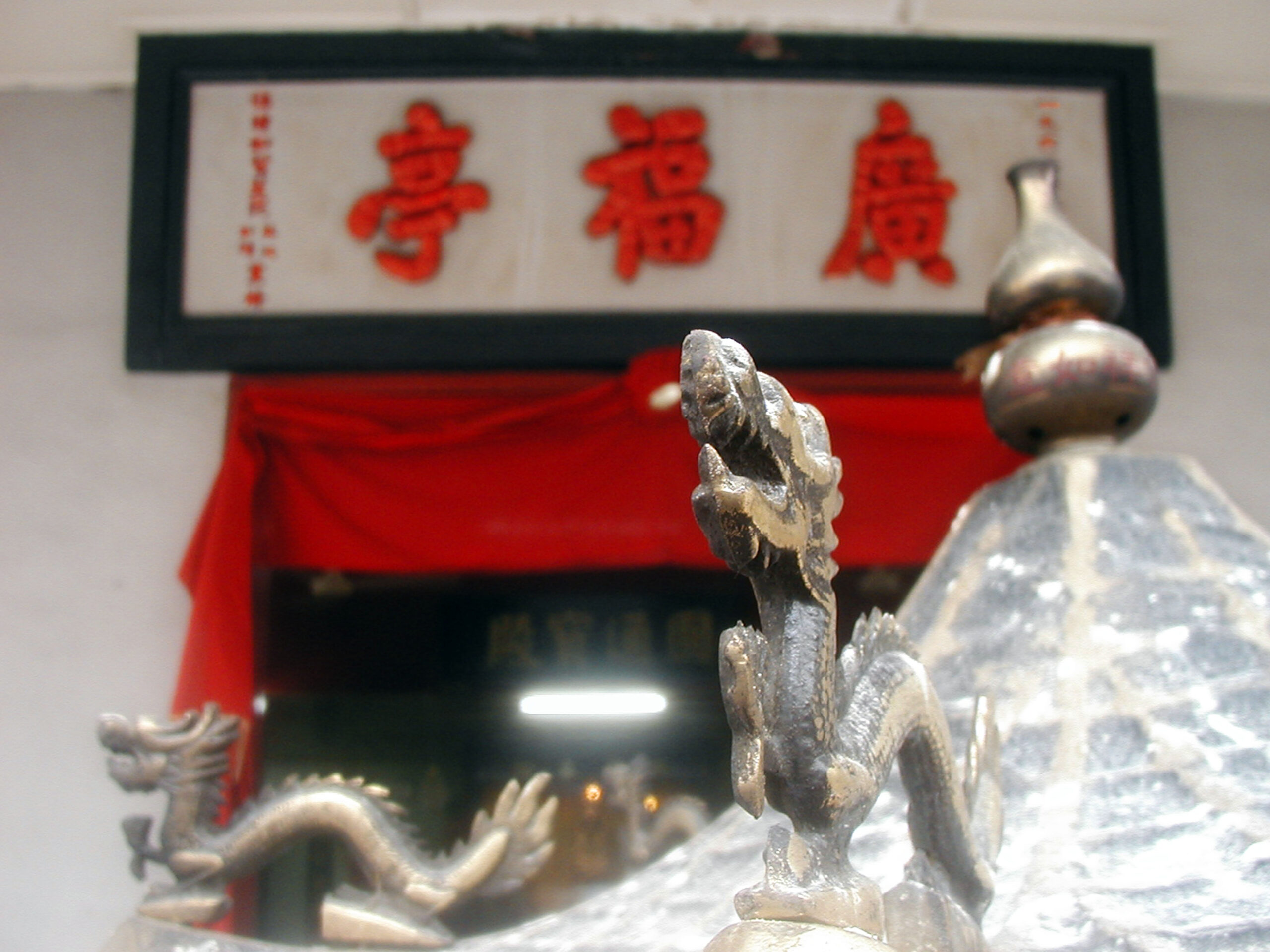
吉隆坡广福亭
Located on Jalan Chow Kit, the century-old temple Guang Fu Ting completely preserves precious ancient architectural features. The nearly extinct red lotus floor tiles adorn the Mahavira Hall, and the solemn atmosphere makes this antique temple still captivate hearts, standing tall on the bustling Chow Kit Road.
Over a hundred years of relentless weathering, witnessing the changes of the times amid turmoil, it survived the May 13 incident where it narrowly escaped being engulfed by fire, miraculously saved by sudden rain from heaven. Though its years have faded, this legendary dramatic moment remains vivid in people's minds.
From 1994 to the present, the ancient temple, having undergone multiple renovations, has hosted many Buddhist activities. Since Venerable Kai Shan took over, with the devoted support of countless devotees over the years, he has actively promoted the education of the Buddha, tirelessly advancing Buddhist education and organising various activities such as: Wesak Day ceremonies, Ullambana ceremonies, Guanyin birthday, Eight Precepts retreat, blessings, offerings, lectures, blood donation drives, charitable distributions, and children's painting competitions, encouraging all devotees to turn the Dharma wheel together and build a society filled with wisdom, compassion, and gratitude.
哥打丁宜善导精舍
The Kota Tinggi SHAN DAO JING SHE in Johor, formerly the Kota Tinggi Buddhist Society, has journeyed through thirty years, accomplishing many Buddhist and charitable activities that bring joy to beings. With the devoted support and joyful merit of benefactors, the Shandao Buddhist Society was established in 1994 and moved to a two-storey building by the Kota Tinggi River in 1996. The beautiful landscape and simple life inspired the Buddha's disciples who support the Three Jewels with the Buddha's spirit of prajna wisdom in saving the world. Though beings may call upon it, impermanence is the norm — the Shandao Buddhist Society suffered two unprecedented floods in 2006 and 2007, losing most of its furniture and items, with what remained beyond repair. Thanks to the blessings of the Three Jewels, the Master's compassion, and the support of devotees from all directions, the Shandao Buddhist Society was eventually restored.
Offering this body and mind to the Buddha's realm, this is called repaying the Buddha's grace. Practising the cultivation of faith and vows, generating bodhicitta, filled with laughter and warmth, the Shandao Buddhist Society is a place that lights the lamp of beings' hearts. Supporting the Dharma and protecting beings, to enable devotees to study Buddhism with a pure mind and diligently practise the Dharma, the Shandao Buddhist Society moved to its current location in Taman Kota Jaya in August 2011, officially named the Johor Kota SHAN DAO JING SHE, continuing to guide beings and cultivate the Dharma together. The society houses a Great Compassion Shrine with a statue of Avalokiteshvara Bodhisattva, relying on the Bodhisattva's compassionate power to bestow protection, inspiring all beings to generate bodhicitta, cultivating bodhi together and attaining Buddhahood together. The society also has a distribution office to benefit beings, wishing all beings to cultivate merit and wisdom together and share in Dharma joy.
Under the leadership of Venerable Kai Shan and the community of masters, the society actively promotes Buddhist education and organises various activities such as: Wesak Day ceremonies, Ullambana ceremonies, Guanyin birthday, blessings, offerings, practice sessions, three-step-one-bow, sutra copying classes, children's Buddhist study classes, and Mid-Autumn celebrations, encouraging all devotees to turn the Dharma wheel together and share in Dharma joy. Through sudden and gradual awakening, entering the ocean of Dharma, attaining the wondrous fruits of practice, purifying the mind, to achieve a Pure Land on Earth.
「Offering this body and mind to the Buddha's realm, this is called repaying the Buddha's grace」
柏林善导普觉禅寺
The Bolin Shandao Pujue Zen Temple in Johor Bahru covers approximately ten thousand square feet. As the saying goes, "Architecture is frozen music" — the architectural concept of Shandao Pujue Zen Temple subtly reveals touches of Zen. The main hall enshrines Shakyamuni Buddha, with Venerable Ananda and Venerable Kasyapa standing attendantly on either side. The Buddha's crystal eyes radiate light, gazing upon all sentient beings with compassion, reflecting the Buddha's repeated return to the Saha world to continuously guide and transform beings.
On the right side of the main hall is a side chamber with three interconnected Japanese-style sliding doors forming a tea room. The cleverly hidden tea seats built into the floor create a space for kneeling and drinking tea. The drinker finds clarity, calm, and elegance; the Zen practitioner rests the mind and ceases thoughts — to penetrate the essence of life. In the temple courtyard stands an octagonal pavilion surrounded by clear flowing water, where koi occasionally leap in the centre, receiving the influence of the Dharma through changing conditions, drinking the sweet nectar of the Dharma.
The completion and inauguration of Shandao Pujue Zen Temple aims to propagate the Dharma and benefit beings, accomplishing good causes, allowing more people to encounter authentic Buddhist activities, experience the Dharma, cultivate the perfect Buddhahood of both compassion and wisdom, and manifest the compassionate spirit of the Buddhas and Bodhisattvas, working together to build a compassionate society. Venerable Kai Shan aspires that the completion and inauguration of Shandao Pujue Zen Temple will continue to promote Buddhist education and carry out various charitable welfare activities to benefit all parties. Currently, Shandao Pujue Zen Temple offers sutra copying classes, sutra prostration, and offering ceremonies. Irregular activities include various Dharma ceremonies, Sunday Buddhist classes, blood donation drives, one-day retreats, Buddhist lectures, three-step-one-bow, Buddhist calligraphy and painting exhibitions, and Buddhist image art exhibitions.
柔府善导精舍
A sanctuary of purity and tranquility · A vow to propagate the Dharma and benefit all beings.
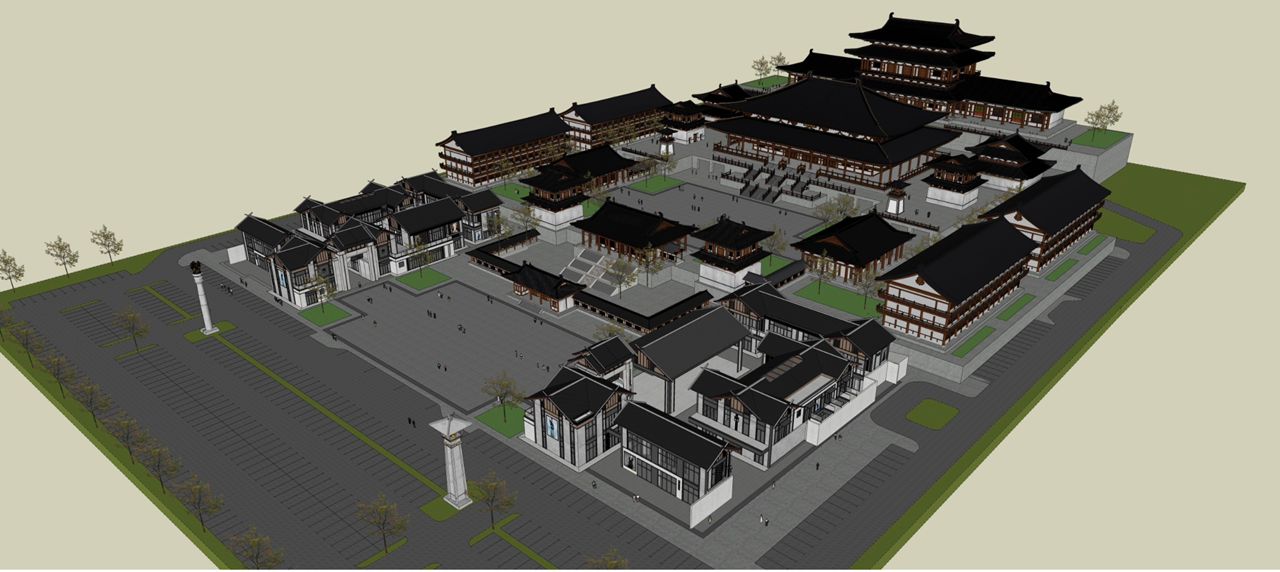
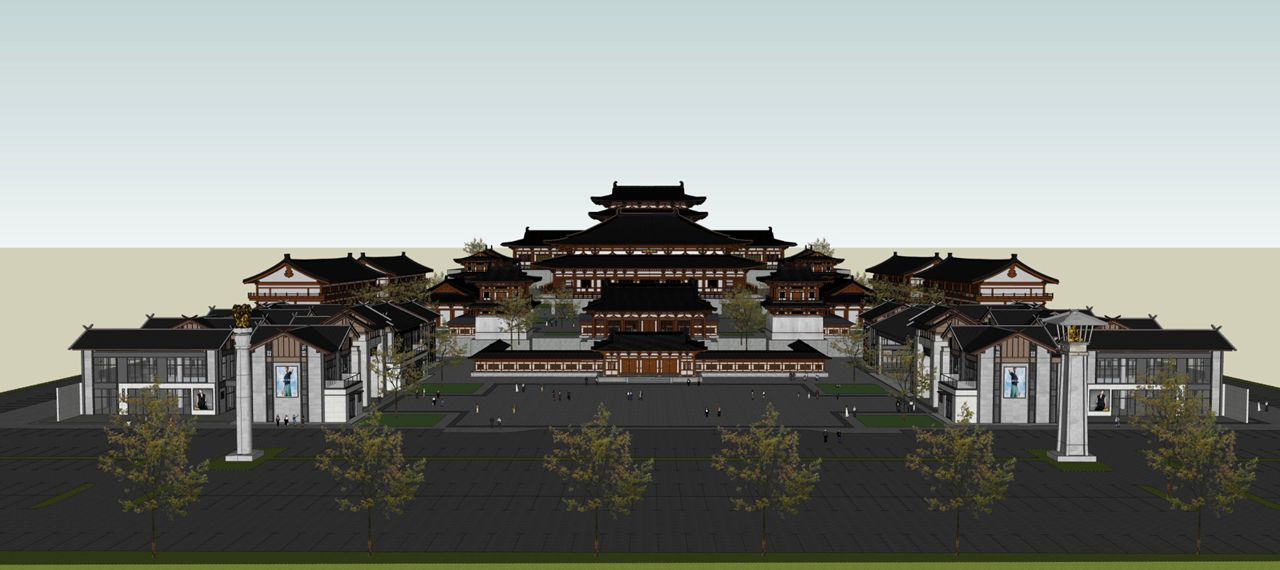
The establishment of the Juru Shandao Vihara stemmed from Master Kaishan’s aspiration to propagate the Dharma and benefit sentient beings. Following nearly a year of travel and planning across the country, the Vihara was completed in late 2008 in a small town in the northern peninsula, adjacent to Bukit Mertajam.
Spanning over ten thousand square feet, the retreat features a color palette dominated by shades of gray and brown; its architecture is grounded and rustic, exuding a sense of simplicity and solemnity. Every space and detail embodies the compassionate intent of Master Kaishan—to employ skillful means and use physical forms to convey the Dharma. The architecture, statuary, and surroundings harmonize to guide visitors in centering their body and mind within this tranquil setting, allowing them to move from the tangible form to the underlying truth, and from the external environment to inner contemplation, thereby experiencing the essence of the Buddha's teachings through every brick, tile, flower, and tree.
Standing in the center of the main hall is the sacred image of the Thousand-Armed Guanyin Bodhisattva, radiating a serene and compassionate countenance alongside a majestic, solemn presence. The thousand arms and eyes symbolize boundless compassionate vows and the Bodhisattva spirit of manifesting in various forms to suit the needs of sentient beings; set against the backdrop of subdued wood tones and a golden canopy, the figure exudes an atmosphere of profound tranquility and auspicious peace.
Upholding the aspiration to propagate the Dharma and benefit sentient beings, the center brings the teachings into the community and integrates them into daily life through activities such as Dharma assemblies, group practice sessions, children's Buddhist classes, and educational outreach. Grounded in the faith, it harmoniously blends scholarship, art, and education, enabling the public to connect with the Dharma and cultivate wholesome thoughts through both learning and practice.
Bodhisattvas come for the sake of sentient beings across the ten directions, and the place of practice is established for the multitude of living beings.
May this pure sanctuary cultivate far-reaching bonds of goodness, bringing the Dharma into daily life, embedding compassion deep within the heart, and guiding the awakened nature back to one's own inner self.
Rulai Pavilion
Cultural nourishment is a precious treasure of the spirit; art is the expression of truth, goodness, and beauty — a dialogue between mind and form.
Chinese culture is one of the four great civilisations of the world. While other civilisations of the same era have long since dispersed, Chinese culture remains ever-new, because it contains rich humanistic spirit and high artistic value. In changing times, it continuously manifests its enduring vitality. Today, if we wish to rank among modern nations, high-quality cultural and artistic activities are indispensable. Buddhist art is precisely a treasure mountain that gathers all crafts into one.
Art is a form of craftsmanship (silpa-vidya), one of the Five Sciences of Buddhism, used to embrace and guide sentient beings — this is the fundamental purpose of Rulai Pavilion (Buddhist Culture and Art Gallery). It not only gives new life to Buddhist culture, helping everyone better understand how to appreciate the essence of Buddhist art, but also affirms that with a belief in art returning home and culture taking root, humanistic cultivation always helps temper one's character, making people more humane and culturally grounded. The beauty of Buddhist images lies in their infinite, indescribable compassion, possessing inconceivable solemnity and stillness that can dispel all distracting thoughts and give rise to a profound sense of reverence from within. To enable more people to experience the truth, goodness, and beauty of Buddhist images, Rulai Pavilion comprehensively promotes the integration of Buddhist art into daily life, offering exquisite Buddhist images of various kinds, hoping that their truth, goodness, and beauty can move from the shrine into studies and other living spaces, no longer limited to altar offerings, so that more people can share in them, hoping that through Buddhist promotion, the goal of purifying the mind and clarifying society can be achieved.
The compassionate gaze of the Buddhas and Bodhisattvas, various Buddhist artefacts, malas of various materials, offering vessels, and Tang-style altar lamps — everywhere exudes tranquillity and serenity, all manifesting the profound truth of the Dharma. In the moment of utmost sincerity, the pure and offering mind that arises, one cannot help but pause and reflect deeply, understanding that artistic creation requires focus and immersion of mind to accomplish. Fixing the mind on one point, nothing is impossible — both creation and appreciation reside in this one thought. Understanding the Dharma begins with the bits of knowledge around us; carefully contemplating the true meaning of the Buddhas' teachings, experiencing the unity of Dharma and life in everyday practice.
That solid as a rock Buddha-realm, stubbornly existing in the hearts of devotees, praying for the protection of the good and the fulfilment of vows, yearning for the refuge of peace across the four seas — this is the pure heart of Buddhist culture and humanistic cultivation towards the Buddha's world, transcendent yet resilient as a fine thread. Through the accumulation of time, braving the stars and the moon, merging with the mountains and rivers and the great earth, using external forms to awaken the heart; thought after thought returning to right mindfulness, returning to bodhi, to nirvana.
Shandao Welfare Centre
Inheriting the selfless spirit of the Buddhas and Bodhisattvas' compassionate relief of suffering, SHAN DAO JING SHE began providing Traditional Chinese Medicine treatment and free medication services to people of all ethnicities in 1999, and in 2005 began offering TCM tuina therapy services. As Venerable Kai Shan hoped to provide more patients with proper medical care, he initiated the rental of a unit at No. 1, Lorong 19, Section 1, Old Petaling Jaya, as the temporary premises of the Shandao Welfare Centre.
The Shandao Welfare Centre began operations in 2006, simultaneously offering acupuncture treatment services for stroke patients to assist in their rehabilitation. In early 2009, the Shandao Welfare Centre relocated to a two-storey detached house next to the Vihara, providing medical welfare to those suffering with a larger space. Venerable Kai Shan aspires to build a Shandao Integrative Medical Centre in the near future, providing ever-better medical services.
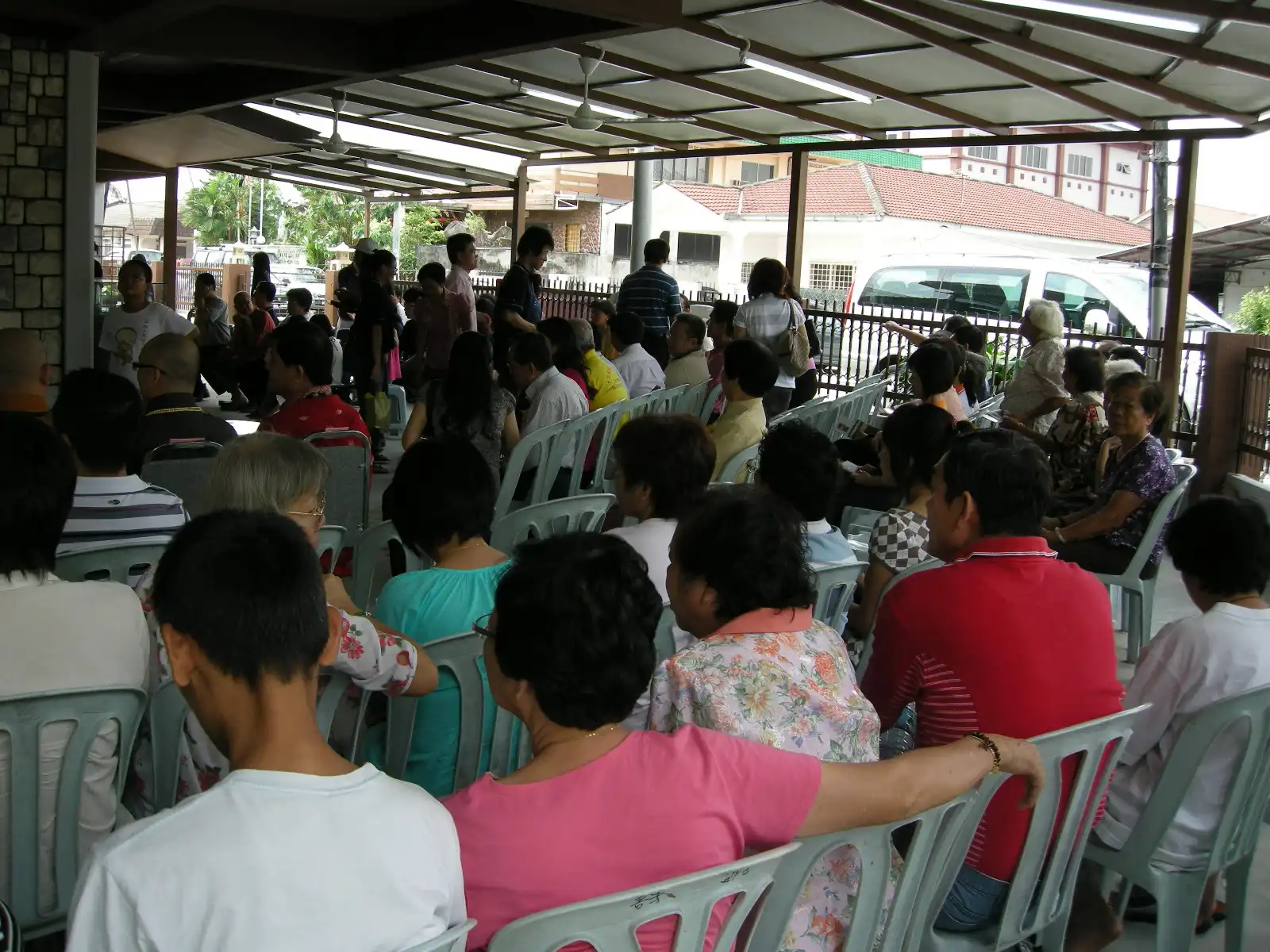
On 30 November 2024, the Shandao Welfare Centre in the old district of Petaling Jaya, Selangor, held its grand opening. Upholding the philosophy of "Guiding Lives, Serving Society," guided by compassion and wisdom, it spread love and care. On the day of the event, Venerable Kai Shan, President of the ShanDao, resident masters, representatives from educational institutions, and guests from all sectors of society attended the event.
In his compassionate teaching, Venerable Kai Shan explained the original intention and vision behind the establishment of the Shandao Welfare Centre. He mentioned that the centre is not only a platform for serving the community but also a bridge of love and goodwill, dedicated to promoting social harmony and happiness through multi-dimensional services including education, welfare, and cultural promotion. The Master encouraged everyone to participate together, spreading the power of compassion further and wider. At the ribbon-cutting ceremony, witnessed by the guests, Venerable Kai Shan and many distinguished guests jointly unveiled the Shandao Welfare Centre, marking the beginning of a new chapter in serving society.
According to the centre director: "The Shandao Welfare Centre will always uphold the compassionate spirit of Buddhism, warming hearts with practical action and bringing positive change to the community. We look forward to cooperating with more social institutions, enterprises, and individuals in the future to jointly promote community harmony and happiness." To deepen understanding of the Shandao Welfare Centre, the organisers specially arranged a tour, detailing the centre's facilities, functions, and future development direction. The guests expressed high recognition of the centre's service mission, centred on educational counselling, social welfare, and cultural promotion, and praised it for injecting new vitality and hope into the community.
The establishment of the Shandao Welfare Centre reflects deep concern for disadvantaged groups in society. Through diverse service programmes, the centre will provide comprehensive assistance to those in need, including educational resources, psychological counselling, and material support. At the same time, the centre plans to regularly organise community activities, Buddhist education courses, and cultural outreach activities to help the public improve their physical, mental, and spiritual health and enhance social cohesion.
Compared to selfless great love, personal fame and wealth are insignificant. The Contemplation Sutra says: "The Buddha's heart is great compassion." Possessing selfless compassion and a heart that empathises with the suffering of the sick, extending compassion from oneself to others — this is a sound life. We hope your loving heart can carry this great love forward.
「Guiding Lives, Serving Society」
Shandao Kitchen
Shandao Kitchen is hidden in the residential area of Old Petaling Jaya. It is not an ordinary vegetarian restaurant, nor a typical cafe, because it is rooted in goodness, a place fragrant with the scent of the Dharma. Visiting Shandao Kitchen often, you may come close to spiritual friends, close to Venerable Kai Shan, close to the Dharma.
Uncle wears a singlet and uncle pants with a few drops of sauce on his vest, always with a white towel on his shoulder; Aunty wears simple floral clothes with permed hair, though without makeup, she remains spirited and energetic. They are always so easygoing and warm, smiling and chatting with every customer, adding warmth and human connection to people's mornings.
Aunty, I would like a pack of fried rice noodles.
Would you like chili sauce?
Would you like chili sauce?
Okay! Aunty will give you extra noodles.
Aunty quickly and deftly handed over the fried rice noodles wrapped in newspaper. The other customers were all neighbours from the kampung, sitting around shared tables, drinking Kopi O, eating heartily from their plates, chatting about this and that.
— A Warmth of Goodness
The food may not be fancy, but eating it, you taste the fullness of human warmth and comfort. Yes! It is about the human touch and a warmth of goodness.
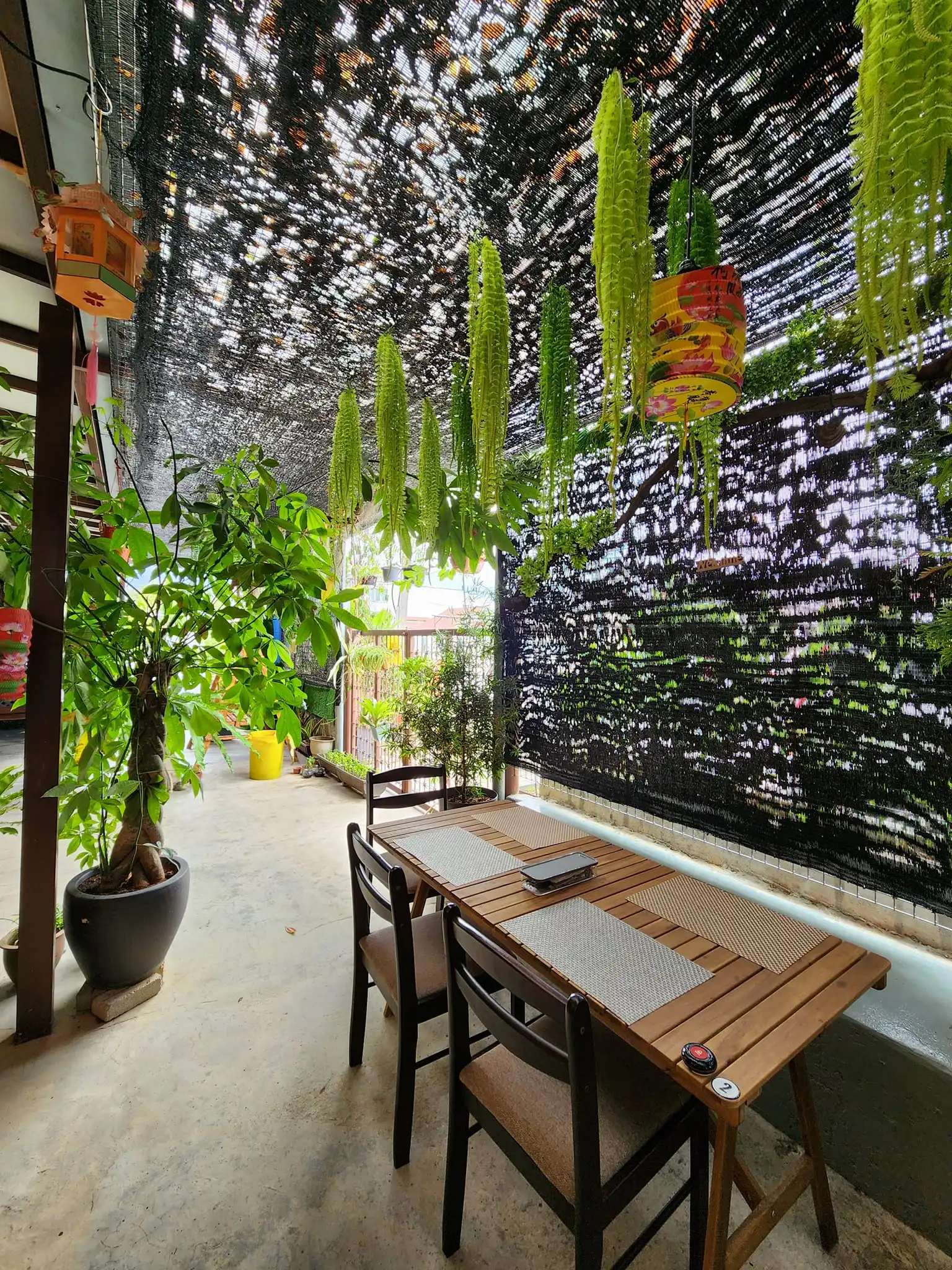
Located next to the Petaling Jaya SHAN DAO JING SHE, Shandao Kitchen is just like this — without ostentatious decoration, yet with honest warmth. Shandao Kitchen is hidden in the residential area of Old Petaling Jaya, on the private open space in front of a house, with several simple tables and chairs — a low-profile yet heartwarming vegetarian restaurant. The decor features greenery, with a touch of rustic old-house charm, yet retains the cafe style that young people enjoy.
Venerable Kai Shan pointed out that this vegetarian restaurant was established through the collective devotion of devotees, hoping to promote vegetarian culture rather than for commercial profit. The Master emphasised promoting vegetarianism through the concept of respecting life, using vegetarian eating as a substitute for traditional animal release, because improper release methods may harm the ecological environment, contrary to good intentions.
This vegetarian restaurant, open for nearly half a year, maintains a low profile without much promotion. It is both a practice ground for Shandao Temple devotees and a gathering place for celebrations, coffee, and Dharma exchange, while also hoping to attract those with karmic connections.
— Simple Cuisine as the Focus
The restaurant menu focuses on simple cuisine, served à la carte, with dishes mostly in local Malaysian flavours, minimising the use of mock meat to present natural, original tastes. Prices are reasonable and suitable for the general public.
Perhaps the food here is exactly those familiar and comforting flavours — simple, unpretentious, commonly seen, filling the stomach, without ostentatious decoration or complicated processes. Simple is good; fewer desires is also a form of life practice.
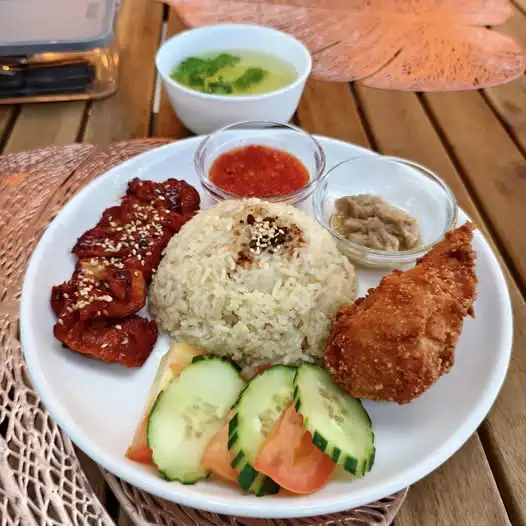
A bowl of plain porridge, paired with braised egg, tofu, peanuts, and pickled vegetables, warms the stomach with a rich old-fashioned flavour that evokes nostalgia. Vegetarian Asam Laksa — not too spicy, not too rich, just the right flavour, especially suitable for those who prefer milder tastes. Vegetarian Roasted Chicken Rice — for rice lovers, it is a simple satisfaction. Paired with ginger and chili, the aroma is enticing, making you want to order more rice.
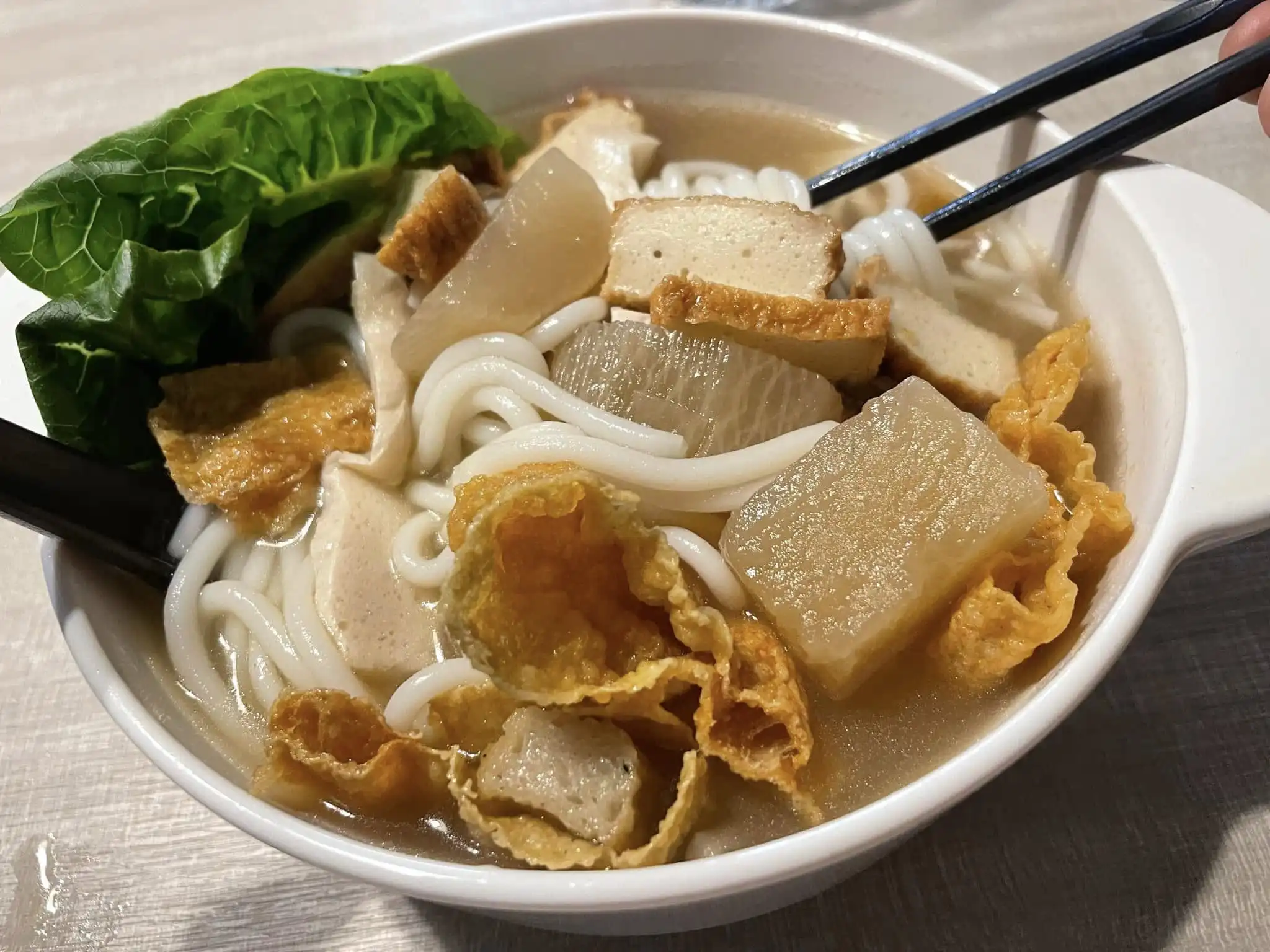
As for kueh chap, this is a popular traditional snack from the Chaoshan region of Guangdong, part of Teochew cuisine. Kueh chap is different from kway teow — its texture is more chewy and bouncy, uniquely distinctive. It is rare to find vegetarian kueh chap here, and it tastes quite good. If you do not fancy Chinese food, young people can also choose vegetarian burgers. A bite of burger, a bite of fries dipped in chili sauce, and a sip of a cold drink — youthful energy overflows! It is also a way to relax and relieve stress.
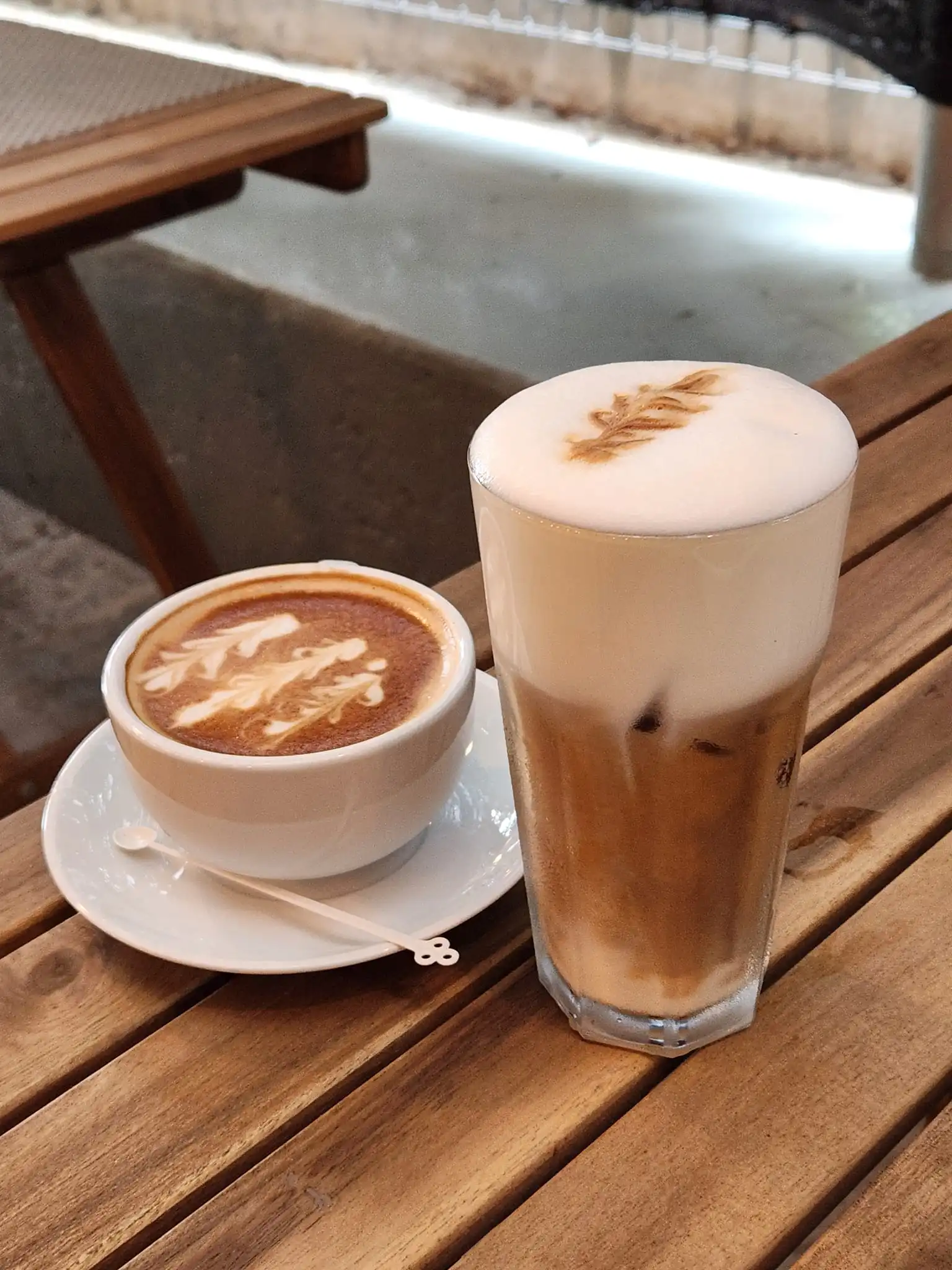
The food options are quite diverse, also including ginger thread noodle soup, pasta, vegetable salad, and more. The chefs work hard in the kitchen, developing more delicious dishes to provide richer choices. For drinks, there are various Americanos and refreshing beverages, meeting different customer needs and adding more options to the dining experience. Worth mentioning is the Osmanthus Latte — a regular latte is one part coffee, three parts milk, but the magic is in sprinkling golden osmanthus flowers, adding a touch of fragrance — it has beauty! It has surprise!
Sunlight gently streams in, the breeze carries the fresh fragrance of plants and trees, warm on hot days, with the pitter-patter of coolness on rainy days. Shandao Kitchen is not just a vegetarian restaurant, but more like a harbour for the soul. Here, food and nature blend harmoniously, conveying the power of goodness. Just as its name Shandao suggests — a warm and pure guidance.
The food here is not flashy, but particularly grounding, like the home-cooked meals grandma made when we were young, reassuring. Shandao Kitchen carries not only the satisfaction of taste buds but also a rustic nostalgia, a pursuit of simplicity and purity. Perhaps it is this simplicity and unpretentiousness that makes Shandao Kitchen a comforting place in people's hearts. Here, what you find is not just a meal, but a pure good heart, a simple good thought.
— True Blessings Come from Within
With the Lunar New Year approaching, a representative from Compassion Magazine asked Venerable Kai Shan for a wisdom red packet on behalf of readers. The Master spoke gently, blessing everyone:
「Peace of Mind is Blessing」
We often hear "peace is a blessing," but not "peace of mind is a blessing," right? Peace is sought outward, whilst peace of mind is sought inward.
Venerable Kai Shan believes that true blessings are sought from within. Only with peace of mind can one find true happiness. With peace of mind, one can face everything external, including the changes of impermanence and all challenges. The Master emphasised the power of a calm mind. When the mind can be still, one will not panic when encountering situations. Even major issues can be minimised and resolved, without excessive worry or fear. The Master stated that through understanding the Dharma, people can comprehend the truth of impermanence and gradually learn to let go.
Shandao Kitchen is not an ordinary vegetarian restaurant, nor a typical cafe, because it is rooted in goodness, a place fragrant with the scent of the Dharma. Visiting Shandao Kitchen often, you may come close to spiritual friends, close to Venerable Kai Shan, close to the Dharma. At Shandao Kitchen, besides eating and drinking tea, you may also gain many wisdom treasures — big blessing packages that can bring peace of mind!